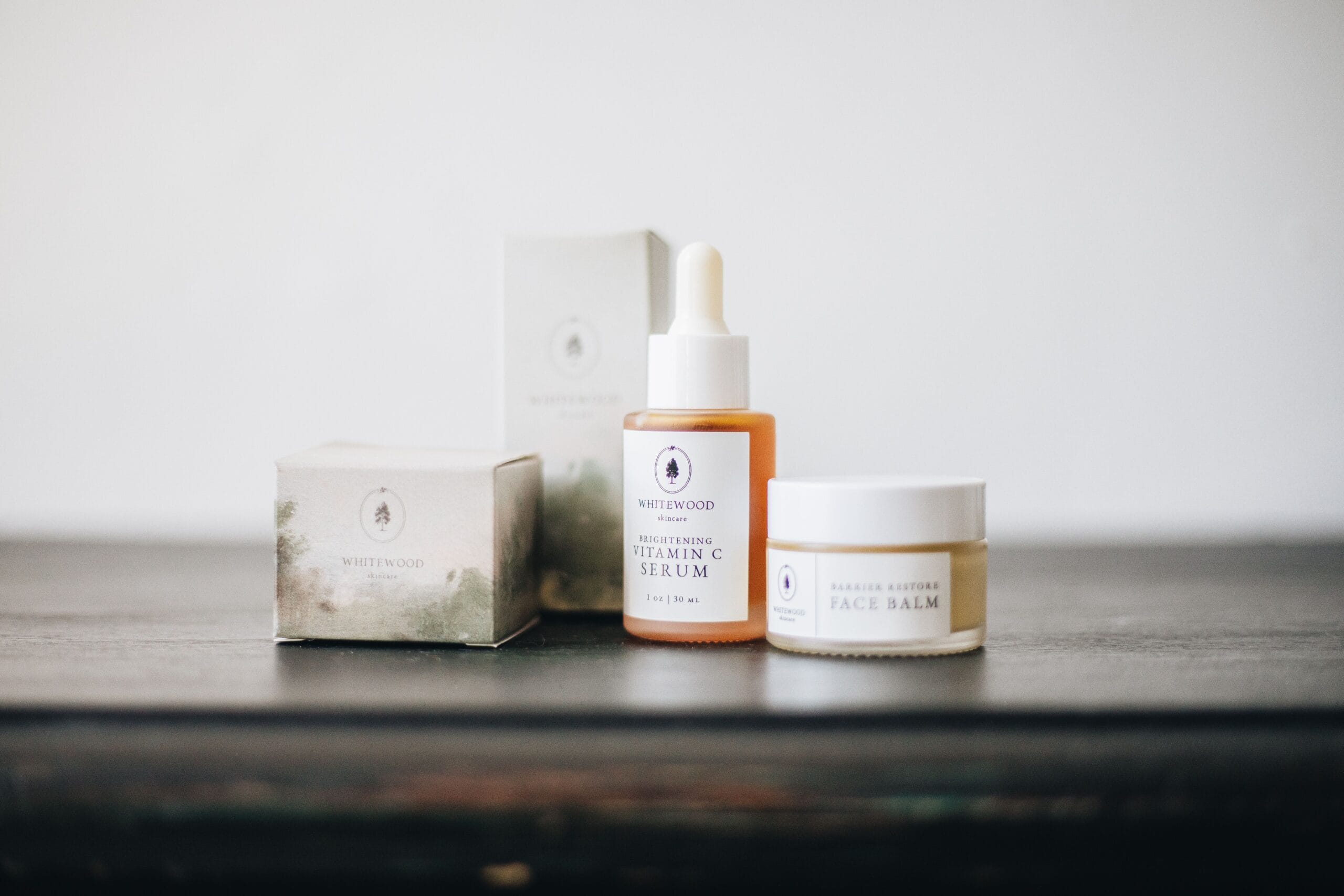
If you’ve ever wondered whether serum goes before or after moisturizer, you’re not alone. It’s one of the most common skincare questions because many routines include multiple products, each with a different purpose. Applying them in the correct order helps every step work as intended while making your routine simpler and more consistent.
For most people, serum should be applied before moisturizer. Serums contain concentrated ingredients designed to absorb into clean skin, while moisturizer helps hydrate the skin and support its natural protective barrier. During the day, sunscreen is always the final skincare step before makeup.
In this guide, you’ll learn the correct skincare order for both morning and night, when the usual order changes, how different types of serums fit into a routine, common mistakes to avoid, and products that can help you build an effective routine.
Serum Before or After Moisturizer? The Quick Answer
Short answer: Apply serum first and moisturizer second.
A simple skincare routine looks like this:
| Step | Product |
|---|---|
| 1 | Cleanser |
| 2 | Serum or Treatment |
| 3 | Moisturizer |
| 4 | Sunscreen (Morning Only) |
Serums are usually lightweight and formulated to deliver active ingredients directly to freshly cleansed skin. Moisturizers are applied afterward to help keep skin hydrated and reduce moisture loss throughout the day.
Unless a product label or your dermatologist gives different instructions, this order works for most skincare routines.
Why Serum Goes Before Moisturizer
Understanding why this order works makes it easier to build a routine that fits your skin instead of simply memorizing steps.
Serums are designed to target specific concerns such as dehydration, dullness, uneven skin tone, acne, or the appearance of fine lines. Their lightweight consistency allows them to spread evenly across clean skin, giving active ingredients direct contact with the surface before thicker products are applied.
Moisturizer serves a different purpose. Instead of treating one specific concern, it helps maintain hydration, smooth the skin, and reinforce the skin barrier. Applying moisturizer after serum also helps reduce water loss, leaving skin feeling softer and more comfortable.
The often-repeated “thinnest to thickest” rule is generally helpful, but the function of the product matters more than texture alone. Prescription medications, retinoids, and facial oils sometimes follow different layering instructions, which we’ll cover later in this guide.
Product Recommendation
Best Hydrating Serum
The Ordinary Hyaluronic Acid 2% + B5
A lightweight hydrating serum that layers easily beneath moisturizer and works well for most skin types.
Why we picked it
This serum uses multiple forms of hyaluronic acid along with vitamin B5 to help attract and retain moisture. Because it absorbs quickly without leaving a heavy finish, it fits naturally into both morning and evening routines before moisturizer.
Pros
- Lightweight texture
- Layers well with most moisturizers
- Suitable for daily use
- Budget-friendly
Things to know
If your skin is very dry, following with a moisturizer is important. Hyaluronic acid performs best when paired with a cream or lotion that helps lock hydration into the skin. For a step-by-step routine, see our guide on how to use hyaluronic acid serum.

Morning Skincare Order
Morning skincare focuses on protecting your skin from daily environmental stress while keeping it hydrated throughout the day.
For most people, the ideal order is:
- Gentle cleanser
- Vitamin C or hydrating serum
- Moisturizer
- Broad-spectrum sunscreen (SPF 30 or higher)
Vitamin C serums are commonly used in the morning because they provide antioxidant support while helping brighten the appearance of uneven skin tone. If you’re adding vitamin C to your routine, see our guide on how to use vitamin C serum for more detailed application tips.
Sunscreen is always the last skincare product applied before makeup. Even the best serum cannot replace daily sun protection.
Product Recommendation
Best Vitamin C Serum
La Roche-Posay Pure Vitamin C Serum
A dermatologist-developed vitamin C serum designed to brighten skin while providing lightweight hydration.
Why we picked it
Its formula combines vitamin C with hydrating ingredients, making it easy to layer underneath moisturizer without feeling heavy.
Pros
- Brightens dull-looking skin
- Layers smoothly
- Suitable for daily morning use
- Trusted skincare brand
Things to know
Vitamin C can cause stinging or irritation in some people when first introduced. Start gradually if you’re using it for the first time, and if your skin is easily irritated, see our guide to vitamin C serum for sensitive skin. Always follow with sunscreen during the day.

Nighttime Skincare Order
Your evening routine is the best time to focus on treatment products that help repair and renew the skin while you sleep. Without sunscreen or makeup to apply afterward, nighttime routines are often slightly more flexible than morning routines.
For most people, the correct nighttime order is:
- Cleanser
- Treatment serum
- Moisturizer
- Facial oil (optional)
If you wear makeup or sunscreen during the day, make sure your skin is completely clean before applying any treatment products. A gentle cleanser is usually enough, although some people prefer double cleansing to remove heavier sunscreen or long-wearing makeup.
Retinoids and some exfoliating treatments are often used at night, while peptide serums can usually be used morning or night depending on the formula.
Product Recommendation
Best Moisturizer for Nighttime
La Roche-Posay Toleriane Double Repair Face Moisturizer
A lightweight daily moisturizer designed to hydrate the skin while supporting the skin barrier.
Why we picked it
A moisturizer should never feel heavy simply because it’s used at night. This formula hydrates well without leaving a greasy finish, making it easy to layer over serums like hyaluronic acid, niacinamide, or retinol.
Pros
- Lightweight lotion
- Contains ceramides and niacinamide
- Fragrance-free
- Suitable for most skin types
Things to know before buying
People with extremely dry skin may prefer a richer cream during winter months, but for everyday use this moisturizer balances hydration without feeling overly thick.

When Moisturizer Can Go Before Serum
Although serum usually comes first, there are a few situations where reversing the order makes sense.
Retinoid Buffering
Some people experience redness, peeling, or irritation when starting retinol or prescription retinoids. Applying a light moisturizer before retinol can reduce irritation while still allowing the treatment to work effectively.
This technique is commonly called the retinol sandwich method when moisturizer is applied both before and after the retinoid.
Prescription Treatments
Prescription creams should always be used according to your dermatologist’s instructions.
Some medications are designed to be applied directly to clean skin, while others may work better after moisturizer. Follow your healthcare provider’s recommendations instead of relying on general skincare rules.
Facial Oils
Some products are labeled as serums but are actually facial oils.
Oil-based products generally work best after moisturizer because they create a richer finishing layer that helps reduce moisture loss.
Always check the ingredient list and product directions if you’re unsure.
Does the Type of Serum Change the Order?
Different serums target different concerns, but most still belong before moisturizer.
Hyaluronic Acid Serum
Hyaluronic acid is one of the most popular hydrating ingredients in skincare. If hydration is your main concern, our guide to the best hyaluronic acid serums compares several options for plumper, more hydrated-looking skin.
Apply it immediately after cleansing while your skin is slightly damp. Follow with moisturizer to help keep that hydration from evaporating throughout the day.
Vitamin C Serum
Vitamin C is commonly used in the morning.
It helps brighten dull-looking skin while providing antioxidant protection against environmental stress.
Apply it after cleansing, then follow with moisturizer and sunscreen. If you’re wondering when visible changes typically begin, see our guide on how long vitamin C serum takes to work.
Niacinamide Serum
Niacinamide works well in both morning and evening routines.
It can help improve the appearance of enlarged pores, uneven skin tone, and excess oil while supporting the skin barrier.
Most niacinamide serums layer easily underneath moisturizer.
Retinol Serum
Retinol is typically reserved for nighttime use.
Because it can initially cause dryness or irritation, start slowly by using it two or three nights each week before increasing frequency.
If irritation develops, try applying moisturizer before retinol until your skin adjusts.
Peptide Serum
Peptides are designed to support healthier-looking skin and are generally gentle enough for daily use.
Most peptide serums are lightweight and should be applied before moisturizer.
Facial Oils
Facial oils usually come last.
Their job is not to replace moisturizer but to help reduce moisture loss after your moisturizer has already hydrated the skin.
Product Recommendation
Best Complete Routine
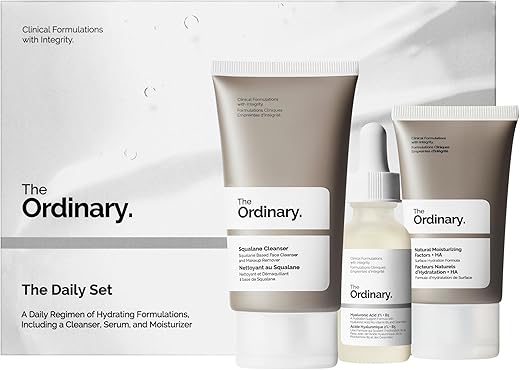
The Ordinary The Daily Set
A simple three-step routine that makes product layering easy for beginners.
Why we picked it
Instead of guessing which cleanser, serum, and moisturizer work together, this kit combines products designed to be used in the correct order.
It’s one of the easiest ways to build a consistent skincare routine without buying multiple products separately.
Pros
- Beginner-friendly
- Complete routine
- Affordable
- Simple layering
Things to know before buying
A skincare set is convenient, but introduce one new product at a time if you have sensitive skin. This makes it easier to identify irritation if it occurs.
Common Skincare Mistakes
Even high-quality products won’t perform their best if they’re layered incorrectly.
The most common mistakes include:
- Applying moisturizer before water-based serums.
- Using too much serum.
- Layering several active ingredients at once.
- Skipping moisturizer because your skin feels oily.
- Forgetting sunscreen during the day.
- Rubbing products aggressively instead of gently pressing them into the skin.
- Trying too many new products at the same time.
A consistent routine with a few well-chosen products is usually more effective than using a large number of treatments inconsistently.
Serum Types at a Glance
Choosing the right serum depends on your skin concern. While the application order stays largely the same, the ingredients inside the serum determine when and how often you should use it.
| Skin Concern | Recommended Serum | Best Time | Moisturizer Needed? |
|---|---|---|---|
| Dryness | Hyaluronic Acid | Morning or Night | Yes |
| Dull Skin | Vitamin C | Morning | Yes |
| Dark Spots | Vitamin C or Niacinamide | Morning or Night | Yes |
| Oily Skin | Niacinamide | Morning or Night | Yes |
| Fine Lines | Retinol | Night | Yes |
| Uneven Texture | Retinol or AHA/BHA | Night | Yes |
Frequently Asked Questions
Serum before or after moisturizer?
Apply serum before moisturizer in most skincare routines. Serums contain concentrated active ingredients designed to absorb into clean skin, while moisturizer helps keep skin hydrated and supports the skin barrier.
How long should I wait between serum and moisturizer?
You usually don’t need to wait several minutes. Once the serum has spread evenly across your skin and no longer feels very wet, you can apply moisturizer.
Can I use moisturizer without serum?
Yes. Moisturizer is one of the most important skincare products because it helps maintain hydration and protects the skin barrier. A serum is an optional treatment step that targets specific concerns.
Does vitamin C go before moisturizer?
Yes. Vitamin C serum should generally be applied after cleansing and before moisturizer. During the day, finish your routine with broad-spectrum sunscreen.
Can I use two serums together?
Sometimes. Many people successfully combine hydrating serums with treatment serums, but introducing too many active ingredients at once can increase irritation. If you’re unsure, start with one serum and add another only after your skin tolerates the first.
Should face oil go before or after moisturizer?
Most facial oils are applied after moisturizer because they act as the final layer in the routine, helping reduce moisture loss throughout the day or overnight.
Bottom Line
If you’re deciding whether to apply serum before or after moisturizer, the answer is simple for most routines: serum comes first, moisturizer comes second.
Serums are formulated to deliver concentrated ingredients directly to clean skin, while moisturizers help maintain hydration and support the skin barrier. During the day, always finish with a broad-spectrum sunscreen to help protect your skin from UV damage.
The best skincare routine doesn’t need to be complicated. A gentle cleanser, one serum that addresses your primary concern, a moisturizer that suits your skin type, and daily sunscreen are enough for most people. Consistency will deliver better long-term results than using a large collection of products inconsistently.
Recommended Routine
If you’re just getting started, keep your routine simple.
Morning
- Cleanser
- Vitamin C or Hydrating Serum
- Moisturizer
- Sunscreen
Night
- Cleanser
- Treatment Serum
- Moisturizer
As your skin becomes comfortable with a routine, you can gradually introduce additional treatments when needed.
Sources
This article is based on guidance from dermatology organizations and evidence-based skincare resources, including:
Medical Disclaimer
This article is intended for educational purposes only and should not replace advice from a dermatologist or other qualified healthcare professional. If you have a persistent skin condition, severe irritation, allergies, or questions about prescription skincare products, consult your healthcare provider before making changes to your routine.
Final Thoughts
For most skincare routines, serum should go on before moisturizer. The simplest approach is to apply your treatment products first, then follow with moisturizer to help keep skin hydrated and comfortable.
You do not need a complicated routine to get good results. A gentle cleanser, one serum that matches your main skin concern, a moisturizer that works for your skin type, and daily sunscreen are enough for many people.
The most important thing is consistency. Introduce new products gradually, pay attention to how your skin responds, and follow the directions on prescription treatments or stronger active ingredients.