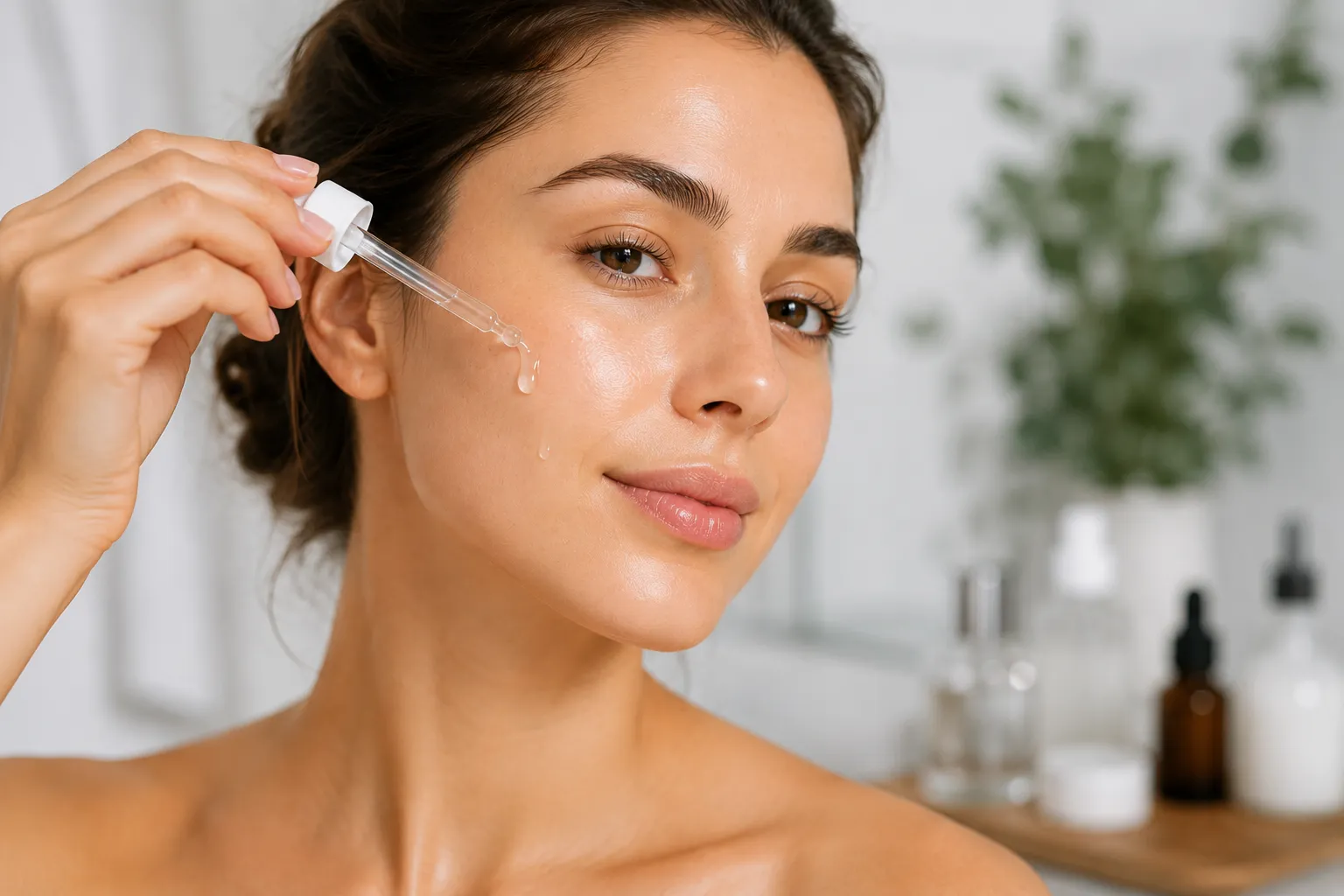
Finding a vitamin C serum that works for sensitive skin can be challenging. Many formulations cause stinging, redness, or irritation—which defeats the purpose of adding a brightening antioxidant to your routine.
This guide combines dermatologist recommendations with carefully selected products that align with their guidance for sensitive skin.
Table of Contents
What Dermatologists Say About Vitamin C for Sensitive Skin
According to board-certified dermatologist Dr. Anna H. Chacon, Fellow of the American Academy of Dermatology, sensitive skin can still benefit from vitamin C—but the approach matters more than with other skin types.
Dr. Chacon recommends:
Starting with a lower concentration (10–15% rather than 20%)
Applying every other day initially to assess tolerance
Choosing fragrance-free formulations to minimize irritation risk
Dr. Shamsa Kanwal, another board-certified dermatologist, adds that individuals with sensitive skin should look for vitamin C serums that include soothing or stabilizing ingredients such as:
Vitamin E and ferulic acid (which stabilize vitamin C and reduce oxidation)
Hyaluronic acid (to support hydration)
Ceramides (to support the skin barrier)
How to Choose a Vitamin C Serum for Sensitive Skin
Based on dermatologist guidance, here are the key factors to evaluate when selecting a vitamin C serum for sensitive skin:
Factor
What to Look For
Why It Matters
Concentration
10–15% L-ascorbic acid (or a gentler derivative)
Lower concentrations are less likely to cause irritation
Formulation
L-ascorbic acid with vitamin E and ferulic acid
These ingredients stabilize vitamin C and enhance antioxidant protection
The products below were selected because they fit common sensitive-skin guidelines like added hydration and antioxidant support—appropriate concentrations, fragrance-free, and formulated with soothing or barrier-supporting ingredients.
TruSkin Vitamin C Serum with Hyaluronic Acid & Vitamin E – Best Overall
This TruSkin Vitamin C Serum is a strong best overall replacement because it includes vitamin C, hyaluronic acid, and vitamin E in one brightening-focused formula. That combination fits the article well because it supports antioxidant care, hydration, and a more even-looking complexion.
It is a practical option for shoppers who want a vitamin C serum with added moisturizing support instead of a very basic formula. The price is also visible, which makes the product card more complete and better for conversions.
The main limitation is that sensitive-skin users should still patch test first and introduce it slowly.
It earns the Best Overall spot because it combines brightening support, hydration, vitamin E, and better visible pricing for shoppers comparing options.
TruSkin Vitamin C Serum for Face – Anti Aging Face Serum with Hyaluronic Acid & Vitamin E – Brightening Formula for Improving Appearance of Dark Spots, Fine...
Why we like it: Visible price, vitamin C, hyaluronic acid, and vitamin E in one affordable brightening serum.
The Ordinary Ascorbyl Glucoside Solution 12% – Best Value
Why dermatologists recommend this type:Ascorbyl glucoside is a vitamin C derivative known for being gentler and more stable than pure L-ascorbic acid. Dr. Chacon notes that while derivatives may work more slowly, they offer a viable entry point for sensitive skin.
Key Features:
12% ascorbyl glucoside (vitamin C derivative)
Water-based, lightweight texture
Fragrance-free
Simple, no-frills formulation
Best For: Budget-conscious users, beginners, or those who want a simple option
Why it fits dermatologist guidance: The gentler derivative, lower effective concentration, and fragrance-free formula align with dermatologist recommendations for sensitive skin introduction.
Best Value
The Ordinary Ascorbyl Glucoside Solution 12%, Vitamin C Serum for Even Skin Tone and Antioxidant Protection, 1 Fl Oz
Why we like it: Gentle, stable, and easy to use consistently.
Obagi Medical Professional-C Vitamin C Serum – Best Premium
Why dermatologists recommend this type: Obagi is a professional-grade brand often recommended by dermatologists for patients who want clinical results with controlled irritation risk. This serum uses a formulation designed to deliver antioxidant benefits while minimizing sensitivity.
Key Features:
Professional-grade formulation
Designed to minimize irritation risk
Controlled delivery system
Best For: Users who want clinical results and are willing to invest in professional-grade skincare
Why it fits dermatologist guidance: While higher in concentration, the professional formulation is designed with sensitive skin considerations. Dr. Kanwal notes that some sensitive skin users tolerate professional-grade formulations better than drugstore options due to higher-quality stabilizing ingredients.
Best Premium
Obagi Medical Professional-C Vitamin C Serum – Helps Brighten Skin Tone and Minimize the Appearance of Fine Lines & Wrinkles – Safe for Sensitive Skin
Why we like it: Professional-level care with a controlled approach.
DearKlairs Freshly Juiced Vitamin Drop – Best Modest Use
Why dermatologists recommend this type: This serum uses a 5% concentration, making it one of the gentlest options available. For extremely sensitive skin or first-time users, Dr. Chacon recommends starting with the lowest possible concentration to assess tolerance.
Key Features:
5% pure vitamin C (low concentration)
Hypoallergenic formulation
Lightweight, slightly oily texture
Korean skincare formulation
Best For: First-time users, extremely reactive skin, or those returning after past irritation
Why it fits dermatologist guidance: The very low concentration (5%) is ideal for the gradual introduction Dr. Chacon recommends for highly reactive skin types.
Best Modest Use
DearKlairs Freshly Juiced Vitamin Drop, 5% Hypoallergenic pure vitamin C serum, 1.18oz | Ascorbic acid, antioxidant for face, korean skincare
Why we like it: A calm, beginner-friendly entry into vitamin C.
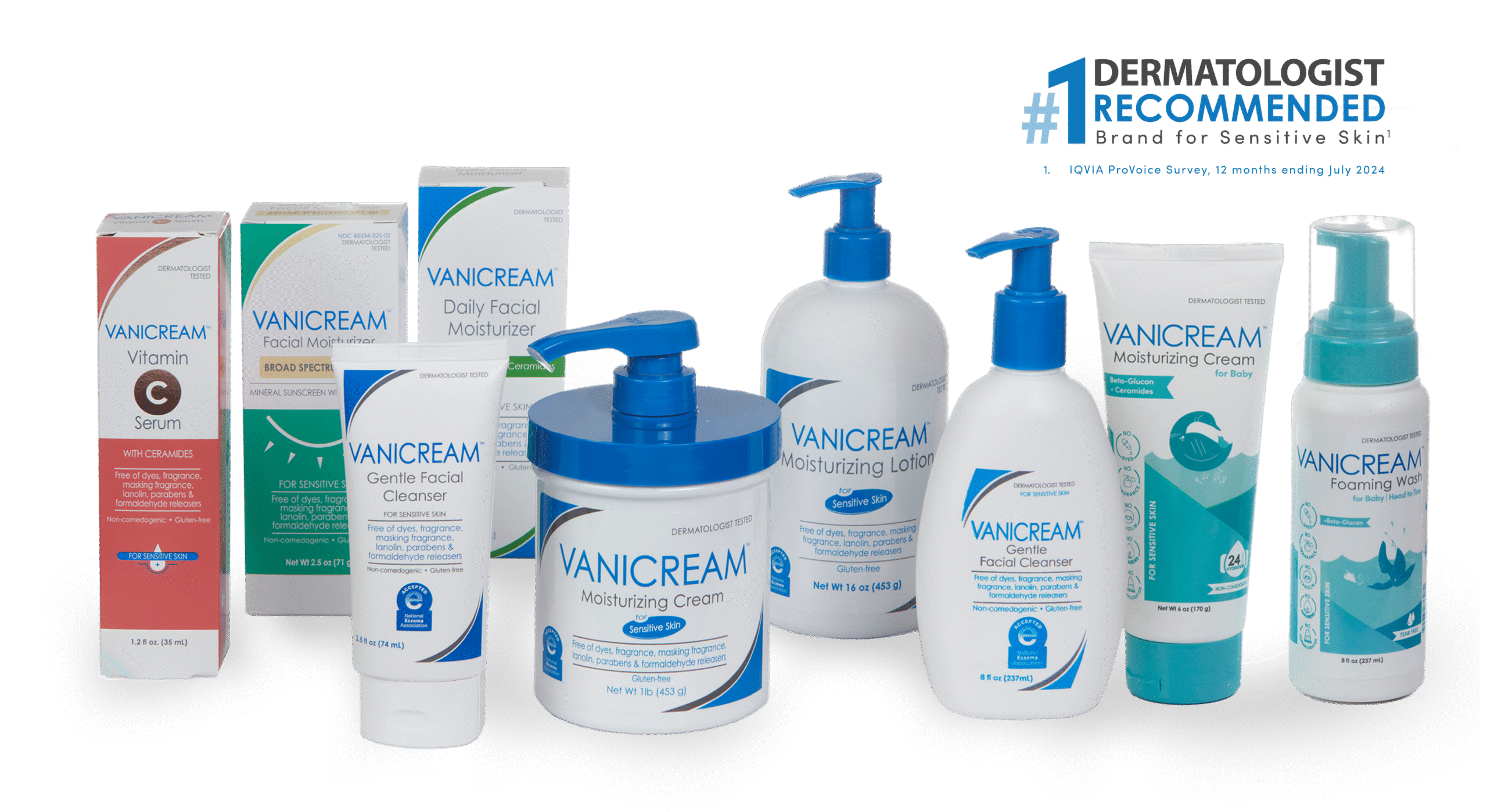
Vanicream Vitamin C Serum – Best for Ultra-Sensitive Skin
Why dermatologists recommend this type: Vanicream products are specifically formulated without common irritants—no fragrances, dyes, parabens, or formaldehyde. This serum uses a gentler vitamin C derivative rather than pure L-ascorbic acid, making it suitable for those who have reacted to other formulations.
Key Features:
Vitamin C derivative (gentler than L-ascorbic acid)
Formulated without common irritants
Milky, lightweight texture
Fragrance-free
Best For: Extremely reactive skin, rosacea-prone skin, or those with contact allergies
Why it fits dermatologist guidance: For ultra-sensitive skin, Dr. Chacon recommends starting with a gentler derivative. This serum meets that criteria while maintaining the irritant-free formulation dermatologists advise.
Best Active Use
Vanicream Vitamin C Serum, 1.2 Fl Oz, Formulated without Common Irritants for Sensitive Skin, Milky and Lightweight Brightening Serum, Hydrates & Boosts...
Why we like it: Designed for daily use without irritation stress.
How to Introduce Vitamin C Serum to Sensitive Skin
Dermatologists recommend a gradual approach when adding vitamin C to a sensitive skin routine:
Week
Frequency
What to Watch For
Week 1–2
Apply every other morning
Mild tingling is normal; discontinue if burning, redness, or peeling occurs
Week 3–4
Increase to daily if tolerated
Monitor for delayed irritation; adjust back to every other day if needed
Ongoing
Daily morning use
Always follow with moisturizer and sunscreen
Important: If you experience persistent redness, stinging, or irritation after two weeks of every-other-day use, discontinue and consider a gentler formulation (such as a vitamin C derivative or lower concentration).
Common Signs Your Serum Is Too Strong for Your Skin
If any of the following occur, the formulation may be too strong for your skin:
Stinging or burning that lasts more than 30 seconds after application
Persistent redness that does not fade within an hour
Peeling or flaking beyond mild dryness
Breakouts in areas where you don’t normally break out (may indicate irritation rather than purging)
If you experience these symptoms, dermatologists recommend:
Stopping use for 3–5 days until skin returns to baseline
Trying a lower concentration (10% or less) or a vitamin C derivative
Applying every third day initially rather than every other day
DearKlairs Freshly Juiced Vitamin Drop, 5% Hypoallergenic pure vitamin C serum, 1.18oz | Ascorbic acid, antioxidant for face, korean skincare
Final Verdict: Which Vitamin C Serum Should You Choose?
For most people with sensitive skin, a 10–15% L-ascorbic acid serum with soothing ingredients offers the best balance of effectiveness and tolerance.
Your Situation
Recommended Product
Why It Fits
First-time user, mild sensitivity
TruSkin Vitamin C Serum
Vitamin C with hyaluronic acid and vitamin E for balanced brightening and hydration
Extremely reactive skin
Vanicream Vitamin C Serum
Gentle derivative, no common irritants
Budget-conscious, gentle introduction
The Ordinary Ascorbyl Glucoside 12%
Gentle derivative, simple formula
Clinical results, professional grade
Obagi Professional-C Serum
Professional formulation with controlled irritation
Ultra-low concentration to start
DearKlairs Freshly Juiced Vitamin Drop
5% concentration, ideal for first-timers
The key to success with sensitive skin is consistency, not intensity. A lower-strength serum used daily will deliver better long-term results than a high-strength serum that causes irritation and is abandoned.
Disclaimer: This article is for informational purposes only and does not constitute medical advice. Always consult a board-certified dermatologist before starting a new skincare routine, especially if you have sensitive skin or underlying skin conditions.
Get Smart Recommendations
Expert buying advice, practical recommendations, and smart product picks — delivered straight to your inbox daily.
Vitamin C serums have become a staple in modern skincare routines thanks to their ability to brighten skin, improve tone, and support collagen production. With so many formulations available today, choosing the right vitamin C…
The correct night skincare routine order starts with cleansing. Next, use toner or essence if you want. Apply water-based serums, then your treatment. Add eye cream if needed. Finish with moisturizer, then facial oil or…
If you’ve been searching for how to use hyaluronic acid serum correctly, you’re not alone. Many people add hyaluronic acid into their skincare routine without fully understanding how it works, which can sometimes leave the…