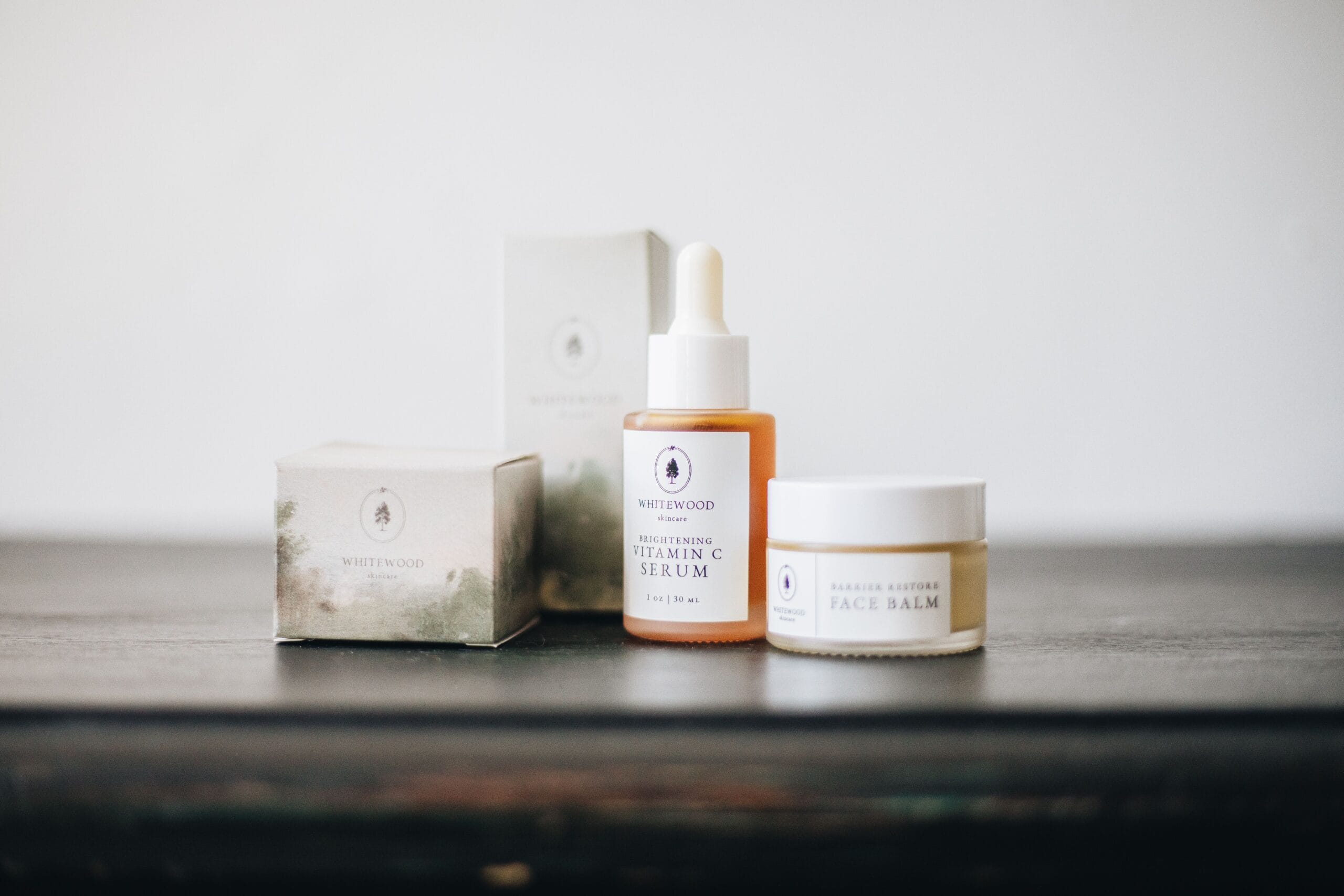


How to Use Hyaluronic Acid Serum Correctly
If you’ve been searching for how to use hyaluronic acid serum correctly, you’re not alone. Many people add hyaluronic acid into their skincare routine without fully understanding how it works,

Vitamin C is one of the most popular skincare ingredients today—but also one of the most misunderstood. Many people don’t see results simply because they’re using it incorrectly.
This guide compiles recommendations from board-certified dermatologists, peer-reviewed research, and clinical experts on how to use vitamin C serum correctly, safely, and effectively.
Vitamin C is one of the most studied ingredients in skincare. A 2021 review published in Molecules, a peer-reviewed scientific journal, confirms that topical vitamin C is a highly effective antioxidant that neutralizes free radicals caused by UV exposure and environmental pollution.
According to Harvard Health, dermatologists Dr. Neera Nathan and Dr. Payal Patel explain that with consistent use, vitamin C helps:
The American Academy of Dermatology notes that vitamin C is particularly effective when formulated with vitamin E and ferulic acid, which stabilize the ingredient and enhance its protective benefits.
Dermatologists agree that application method matters. Here is the step-by-step process recommended by clinical experts:
Step 1: Cleanse
Start with a gentle cleanser. Applying vitamin C to clean skin ensures maximum absorption, according to Dr. Anna H. Chacon, Fellow of the American Academy of Dermatology.
Step 2: Apply to Dry Skin
Dr. Shamsa Kanwal emphasizes that vitamin C should be applied to clean, dry skin—not damp—to prevent dilution and ensure efficacy.
Step 3: Use 2–4 Drops
According to both Dr. Kanwal and Dr. Chacon, two to four drops is sufficient for the entire face. L’Oréal Paris, based on clinical testing of their formulations, recommends 3–5 drops for the face, neck, and décolleté.
Step 4: Press, Don’t Rub
Dr. Chacon advises gently pressing the serum into the skin rather than rubbing. This minimizes irritation and improves absorption.
Step 5: Wait 30–60 Seconds
Allow the serum to fully absorb before applying other products. If the serum feels wet or sticky after a minute, you’ve likely used too much.
Step 6: Moisturize and Apply Sunscreen
Dr. Kanwal notes that in the morning, vitamin C should always be followed by moisturizer and broad-spectrum sunscreen, as vitamin C enhances sun protection but does not replace it.

One of the most common questions about vitamin C serum is also one of the simplest: how much should you actually use?
The Short Answer According to board-certified dermatologist Dr. Shamsa Kanwal, two to four drops is sufficient for the entire face. Dr. Anna H. Chacon similarly advises that a small amount—typically a few drops—creates a thin, even layer that absorbs properly.
Why More Isn’t Better Many people assume that using more serum will deliver faster results. According to dermatologists interviewed by the American Academy of Dermatology, this is not the case.
Dr. Chacon explains that using too much can:
The goal, dermatologists say, is a thin, even layer that absorbs within 30–60 seconds.
Frequency depends on your skin type and tolerance.
For Beginners
Dr. Shamsa Kanwal recommends starting with application every other day for the first week. If your skin tolerates it well, you can increase to daily use.
For Normal Skin
Most people can use vitamin C once daily. Dermatologists generally prefer morning application because vitamin C provides antioxidant protection against UV rays and pollution throughout the day.
For Sensitive Skin
Dr. Anna H. Chacon suggests using vitamin C two to three times per week initially. She also recommends starting with a lower concentration (10–15%). For product recommendations specifically formulated for sensitive skin, see our guide: Vitamin C Serum for Sensitive Skin: 5 Safe Picks.
Vitamin C can be used either in the morning or at night, but dermatologists generally prefer morning use.
Morning Use
According to the American Academy of Dermatology, vitamin C is most effective in the morning because it works as an antioxidant to neutralize free radicals from UV exposure and pollution throughout the day.
Night Use
If you use retinol or exfoliating acids, Dr. Chacon advises applying vitamin C in the morning to avoid layering multiple active ingredients, which can increase irritation.
Can You Use Both?
Some individuals with resilient skin use vitamin C both morning and night, but dermatologists recommend starting with once daily to assess tolerance.
Vitamin C and hyaluronic acid are frequently used together because they serve different purposes and do not interfere with each other.
Order of Application According to Dr. Chacon, vitamin C should be applied first on clean skin, followed by hyaluronic acid, then moisturizer.
Dr. Kanwal confirms this order, noting that vitamin C requires direct skin contact to work effectively, while hyaluronic acid’s role is to draw moisture into the skin.
Why They Work Well Together
For product recommendations to pair with your vitamin C serum, see our guide: Best Hyaluronic Acid Serum for Plump, Hydrated Skin.

Based on dermatologist guidance and clinical research, here are the most common mistakes people make with vitamin C serum:
| Mistake | Why It Matters |
|---|---|
| Using too much | Can cause irritation and waste product |
| Skipping sunscreen | Vitamin C does not replace sun protection |
| Applying to damp skin | Dilutes the serum and reduces absorption |
| Layering with retinol or acids | May cause excessive irritation, especially for beginners |
| Expecting overnight results | Visible improvements typically take 4–6 weeks |
Dr. Chacon emphasizes that consistency matters more than quantity. A small amount applied correctly every day is more effective than larger amounts used inconsistently.
According to dermatologists, vitamin C serum does not deliver overnight results. Here is a realistic timeline based on clinical experience:
| Timeline | Typical Changes |
|---|---|
| 1–2 weeks | Skin may feel smoother; initial hydration improves |
| 3–4 weeks | Brighter complexion, more even tone often noticeable |
| 6–8 weeks | Dark spots and hyperpigmentation often begin to fade |
| Long-term | Continued improvement in skin clarity and texture |
For a more detailed week-by-week breakdown of what to expect, see our guide: How Long Does Vitamin C Serum Take to Work?.
Vitamin C serum is suitable for a wide range of skin types and concerns. According to dermatologists, it is especially beneficial for individuals dealing with:
When used correctly and consistently, vitamin C is one of the most effective and versatile additions to any skincare routine.
Learning how to use vitamin C serum properly can make a significant difference in your skincare results. While the steps are simple, consistency and correct application are what truly determine how effective the product will be.
By using the right amount, applying it regularly, and combining it with complementary ingredients like hyaluronic acid, you can achieve brighter, smoother, and healthier-looking skin over time.
Vitamin C is not a quick fix, but when used correctly, it becomes one of the most reliable and impactful products in your routine.
Most people can use it once daily, typically in the morning. Beginners should start with every other day. — Dr. Shamsa Kanwal
Two to four drops for the entire face. Using more does not increase effectiveness. — Dr. Anna H. Chacon
Yes, but morning use is preferred because it provides daytime antioxidant protection. — American Academy of Dermatology
After. Apply vitamin C first, then hyaluronic acid, then moisturizer. — Dr. Anna H. Chacon
Visible improvements typically appear within 4–6 weeks of consistent use. — Dr. Shamsa Kanwal
Expert buying advice, practical recommendations, and smart product picks — delivered straight to your inbox daily.
By signing up, you agree to the terms of service and privacy.

If you’ve been searching for how to use hyaluronic acid serum correctly, you’re not alone. Many people add hyaluronic acid into their skincare routine without fully understanding how it works,

Hyaluronic acid serum works best when applied to slightly damp skin after cleansing, followed by a moisturizer to lock in hydration. Using just 2–3 drops and layering it correctly helps

If you’ve recently added a vitamin C serum to your skincare routine, you’re probably wondering one thing: how long does vitamin C serum take to work? The honest answer—based on
Get notified about new articles