
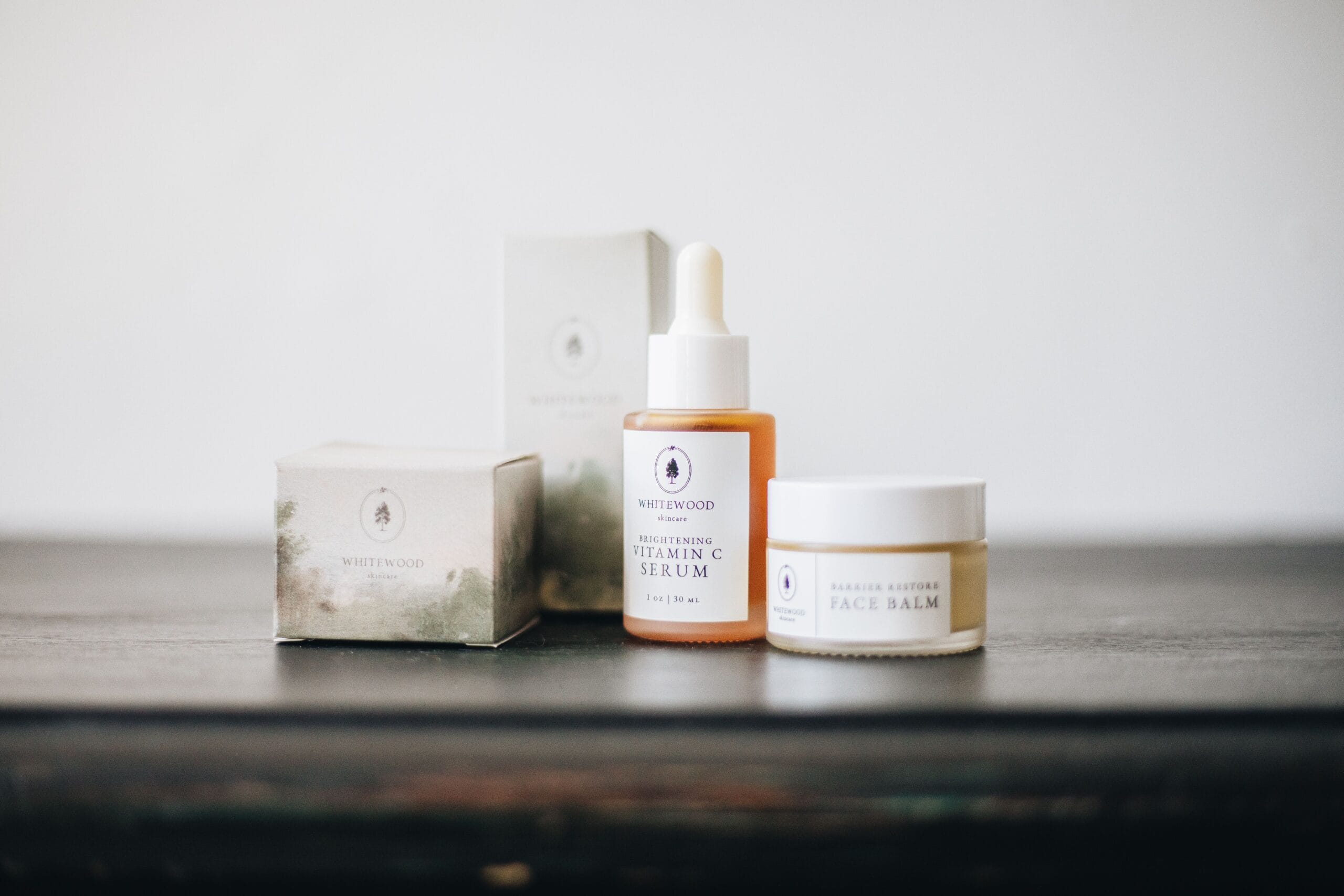
Serum Before or After Moisturizer?
Serum before or after moisturizer? Learn the correct skincare order for morning and night, key exceptions, layering tips, and how to prevent pilling.
We independently review everything we recommend. We may earn a commission when you buy through our links.
Learn more ›

If you’ve been searching for how to use hyaluronic acid serum correctly, you’re not alone. Many people add hyaluronic acid into their skincare routine without fully understanding how it works, which can sometimes leave the skin feeling dry, tight, or sticky instead of hydrated and refreshed. The good news is that once you learn the proper application method, hyaluronic acid can become one of the most effective and beginner-friendly skincare ingredients in your routine.
Hyaluronic acid is widely known for its ability to attract and hold moisture within the skin. When used properly, it can help support smoother texture, improve hydration levels, and give the skin a plumper and healthier-looking appearance. Whether you have dry skin, oily skin, combination skin, or sensitive skin, understanding the correct way to apply this ingredient can make a noticeable difference in how your skin feels and looks throughout the day.
In this guide, you’ll learn how to use hyaluronic acid serum properly, how to use hyaluronic acid and vitamin C serum together, which serum should go first, and how often to use hyaluronic acid serum for the best results.
If you want a deeper breakdown of application order, ingredient pairing, and common mistakes, read our complete guide on how to use vitamin C serum correctly.
Hyaluronic acid is a humectant, which means it helps attract and retain water in the skin. Your body naturally produces hyaluronic acid, but those levels gradually decrease over time, which can contribute to dryness, dullness, and the appearance of fine lines. Because of this, many skincare products now include hyaluronic acid to help support long-lasting hydration and improve overall skin comfort.
One of the biggest benefits of hyaluronic acid serum is its versatility. It works well for nearly all skin types and can easily fit into both simple and advanced skincare routines. Regular use may help the skin appear softer, smoother, fresher, and more balanced without feeling heavy or greasy.
If you’re still deciding which product to buy, our guide to the best hyaluronic acid serum breaks down beginner-friendly formulas for hydration, plumper-looking skin, and daily skincare routines.
Understanding hyaluronic acid serum how to use properly is extremely important if you want the best results. One of the most common mistakes people make is applying the serum directly onto completely dry skin. Since hyaluronic acid attracts moisture, it works best when there is already water present on the skin’s surface.
Applying it correctly can help maximize hydration while preventing the tight or dry feeling some people experience when using it incorrectly.
Start by washing your face with a gentle cleanser to remove dirt, excess oil, makeup, and sunscreen buildup. Clean skin allows the serum to absorb more evenly and work more effectively throughout your routine.
Avoid using overly harsh cleansers that leave the skin feeling stripped or irritated. A gentle cleanser helps prepare the skin without disrupting the skin barrier.
After cleansing, lightly pat your skin with a towel, but do not dry it completely. Hyaluronic acid performs best when applied to damp skin because it uses that surface moisture to help hydrate the skin more effectively.
For more skincare guidance on applying hyaluronic acid correctly to damp skin, the Cleveland Clinic explains how hyaluronic acid helps support skin hydration and moisture retention.
You can also use a hydrating toner or facial mist before applying the serum. This additional moisture can help improve hydration and leave the skin feeling softer and more comfortable.
Dispense two to three drops of serum onto your fingertips and gently press it into your face and neck. Avoid rubbing aggressively, especially if your skin is sensitive or easily irritated.
The serum should feel lightweight and absorb fairly quickly into the skin. A small amount is usually enough to cover the entire face comfortably.
This step is extremely important and often overlooked. Hyaluronic acid helps attract moisture, but moisturizer helps seal that hydration into the skin and prevents water loss throughout the day.
Skipping moisturizer after applying hyaluronic acid can actually leave the skin feeling drier in some environments. Using both products together creates a more balanced and effective hydration routine.
If your skin still feels dry after applying serum, choosing the best face moisturizer for dry skin can help seal in hydration more effectively throughout the day.
If you’re applying your skincare routine in the morning, always finish with sunscreen. Daily SPF helps protect the skin from sun damage, premature aging, and environmental stressors that can weaken the skin barrier over time.
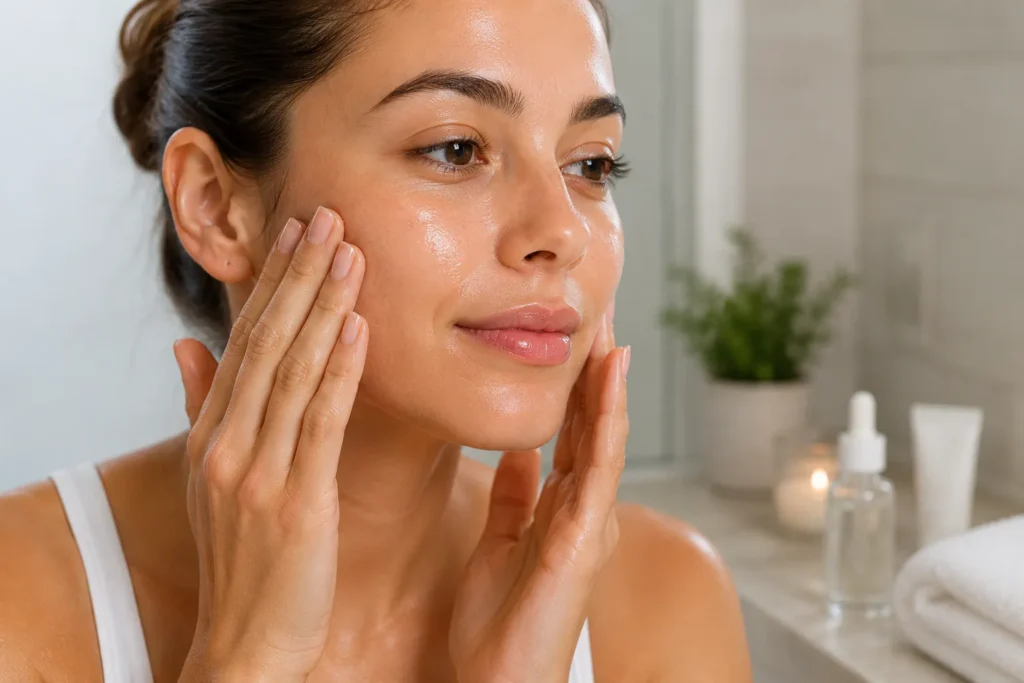
Many people wonder how to use hyaluronic acid and vitamin C serum in the same routine without irritating their skin. Fortunately, these two ingredients work very well together and are commonly paired in modern skincare routines.
Vitamin C is known for helping brighten the skin and support a more even complexion, while hyaluronic acid helps maintain hydration and improve skin comfort. Together, they create a balanced skincare routine that targets both brightness and moisture.
Vitamin C serum should usually be applied first because it acts as a treatment-focused ingredient. Hyaluronic acid serum is then layered afterward to help support hydration and reduce dryness.
If you have sensitive skin, start slowly and introduce vitamin C gradually into your routine. Using it a few times per week at first can help your skin adjust more comfortably.
Results from vitamin C products usually take time, and our guide on how long vitamin C serum takes to work explains what most people can realistically expect over several weeks of consistent use.
If you’re building a beginner-friendly skincare routine, choosing lightweight and hydrating products can help support smoother, healthier-looking skin without making your routine feel overly complicated. Hyaluronic acid serums are commonly used to improve hydration, support the skin barrier, and help the skin appear softer and more refreshed throughout the day.
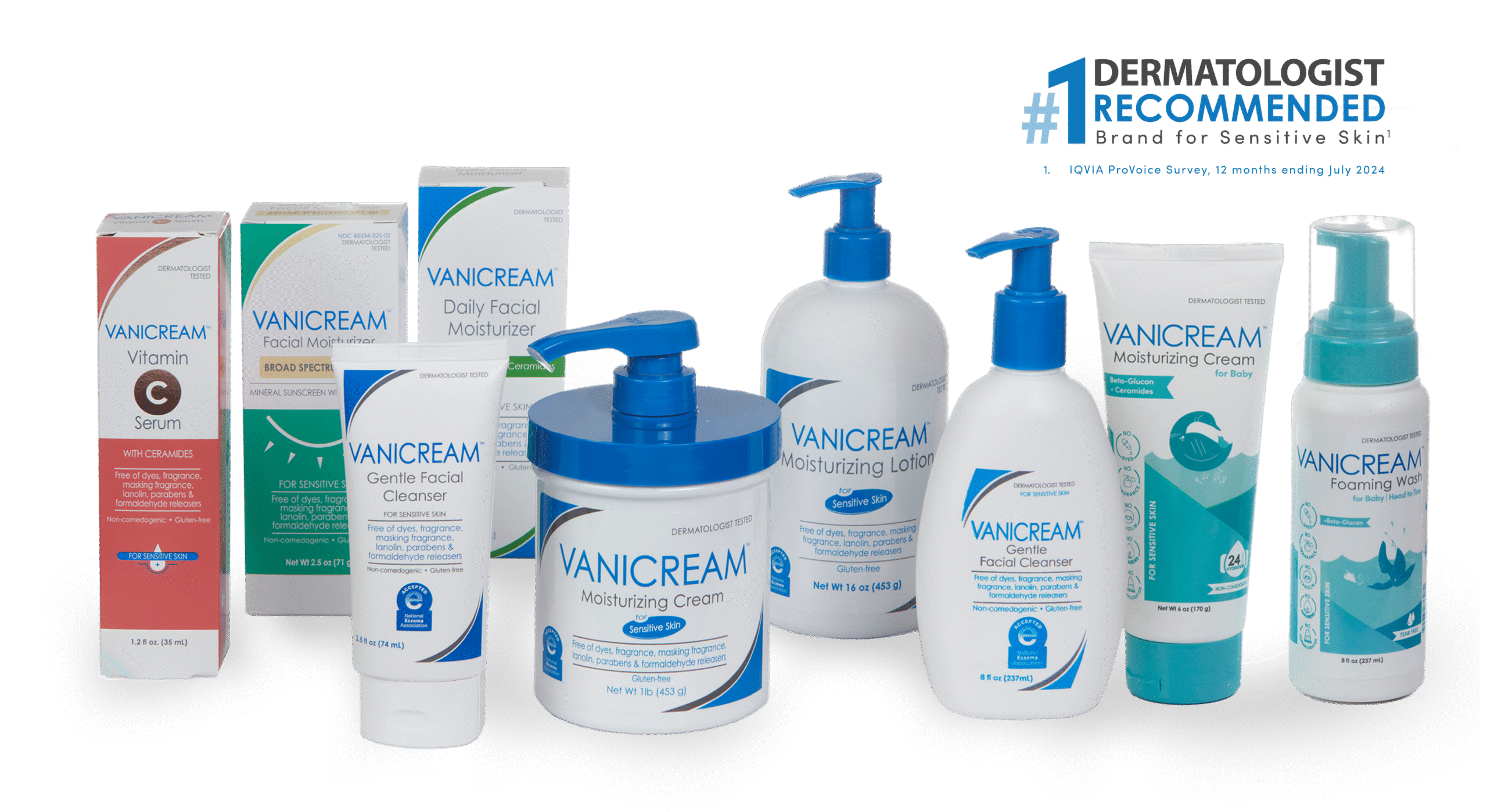
The products below are popular options frequently used alongside vitamin C serums, moisturizers, and daily skincare routines. They work especially well for people looking to improve hydration while keeping their skincare routine simple and beginner-friendly.

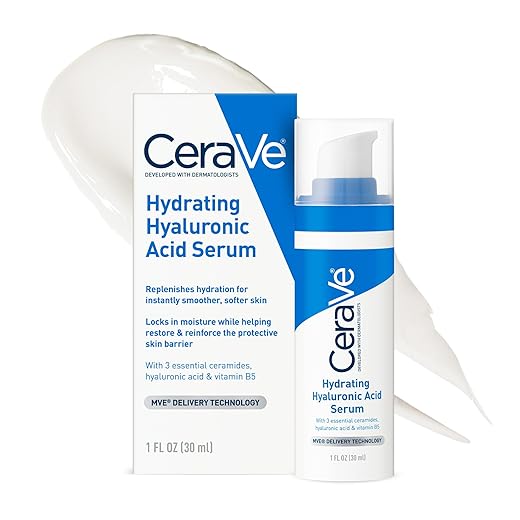

The right serum can help improve hydration and overall skin comfort, but proper application matters just as much as the product itself. Applying hyaluronic acid to damp skin and following with moisturizer can make a noticeable difference in how hydrated and balanced your skin feels throughout the day.
Using hyaluronic acid serum in the morning can help your skin stay hydrated and smoother-looking throughout the day. Pairing it with vitamin C and sunscreen creates a well-rounded routine that supports hydration while helping protect the skin from environmental stressors.
Gentle Cleanser
Vitamin C Serum
Hyaluronic Acid Serum
Moisturizer
SPF 30 or Higher
This type of routine works especially well for people dealing with dryness, dullness, uneven texture, or dehydration. Keeping the routine simple and consistent is often more effective than layering too many products at once.
Nighttime is one of the best times to focus on hydration and skin barrier support. While you sleep, your skin naturally goes through repair and recovery processes, making hydrating ingredients especially useful during your evening routine.
Gentle Cleanser
Hyaluronic Acid Serum
Moisturizer
You can also pair hyaluronic acid with ingredients such as retinol, niacinamide, peptides, or ceramides. Since some active ingredients can sometimes feel drying, hyaluronic acid helps improve overall comfort and hydration within the routine.
For overnight hydration and barrier support, many people also combine hyaluronic acid with the best night cream for aging skin to improve moisture retention while they sleep.
Another common question is how often to use hyaluronic acid serum for the best results. For most skin types, hyaluronic acid can safely be used once or twice daily depending on your routine and hydration needs.
People with dry or dehydrated skin often benefit from using it both morning and night. Those with oily or combination skin may prefer using it once daily depending on how their skin feels.
The key is consistency rather than overusing the product. Using a small amount regularly usually produces better long-term results than applying excessive amounts at once.
One of the biggest mistakes people make is applying hyaluronic acid to completely dry skin. Because the ingredient attracts moisture, applying it to damp skin helps improve hydration and overall comfort.
Hyaluronic acid should almost always be followed with moisturizer. Without a moisturizer to seal hydration into the skin, moisture can evaporate more quickly and leave the skin feeling dry.
A few drops are usually enough for the entire face. Using excessive amounts may leave the skin feeling sticky without providing additional benefits.
If your morning routine includes vitamin C serum, sunscreen becomes especially important. SPF helps protect the skin and supports long-term skin health.
Using too many strong skincare ingredients at once can overwhelm the skin barrier. Keeping your routine balanced and simple often leads to better results over time.
One reason hyaluronic acid remains so popular is because it layers well with many skincare ingredients. It can be used alongside vitamin C, retinol, niacinamide, peptides, ceramides, and exfoliating acids without causing major routine conflicts for most people.
This flexibility makes it easy to include in both beginner and advanced skincare routines. It also helps support hydration while using stronger treatment-focused products.
Learning how to use hyaluronic acid serum properly can make a major difference in how hydrated, smooth, and comfortable your skin feels every day. Applying it to damp skin, sealing it with moisturizer, and using it consistently are some of the most important steps for getting the best results.
Understanding how to use vitamin C and hyaluronic acid serum together can also help create a more balanced skincare routine that supports both hydration and brightness. When used correctly, hyaluronic acid can easily become one of the most reliable and beginner-friendly products in your skincare routine.
Expert buying advice, practical recommendations, and smart product picks — delivered straight to your inbox daily.
By signing up, you agree to the terms of service and privacy.

Get notified about new articles