Does a Smartwatch Need a Data Plan? (2026 Guide)
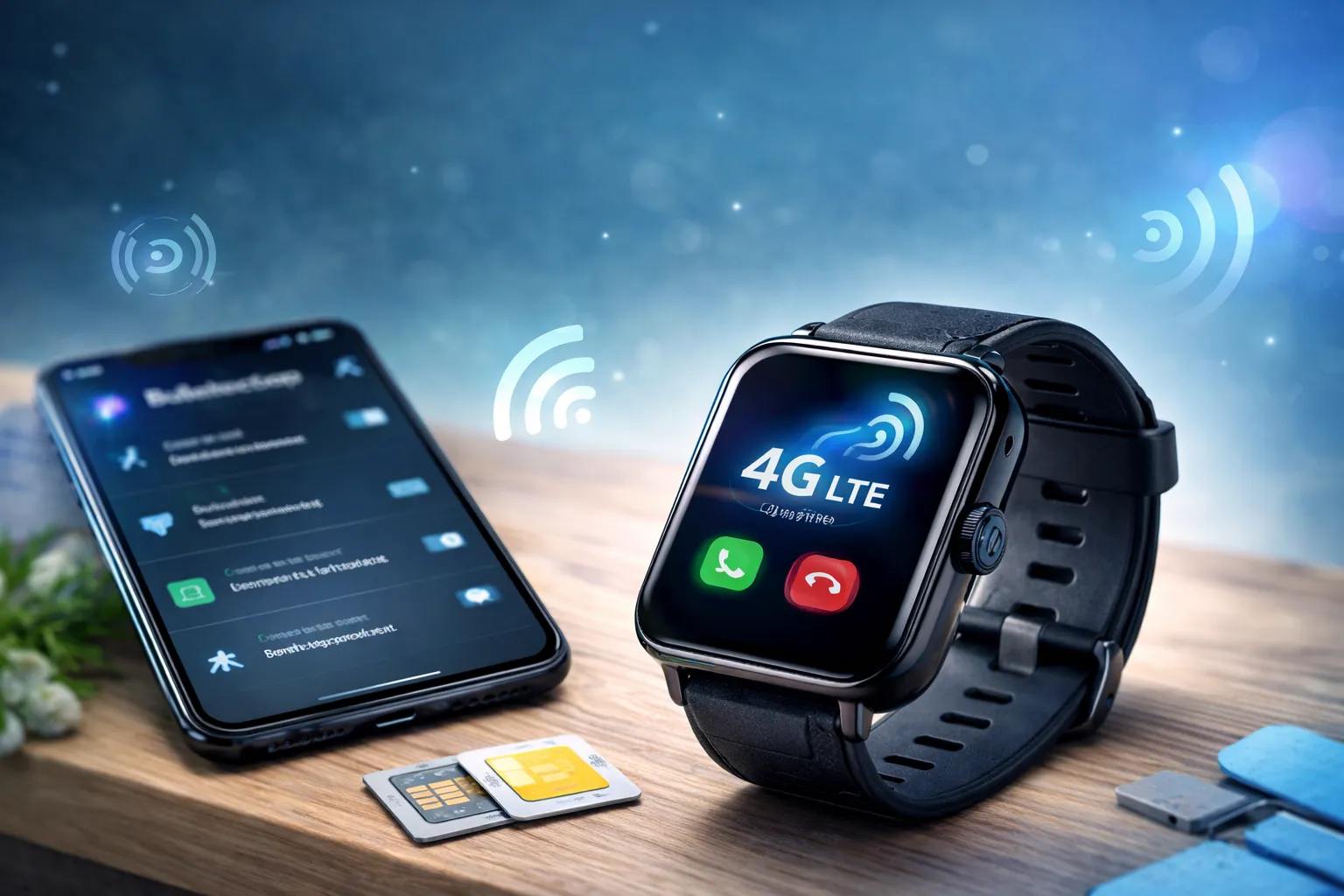
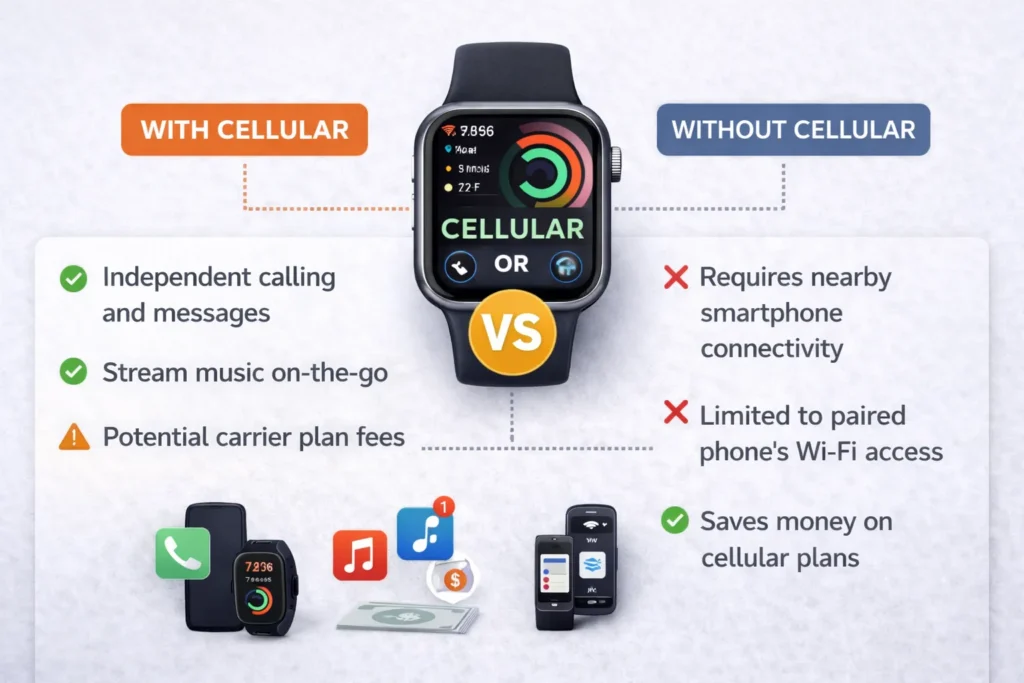
Does a smartwatch need a data plan? In most cases, no. Bluetooth models connect directly to your smartphone and use your phone’s existing data connection, while cellular-enabled smartwatches require a
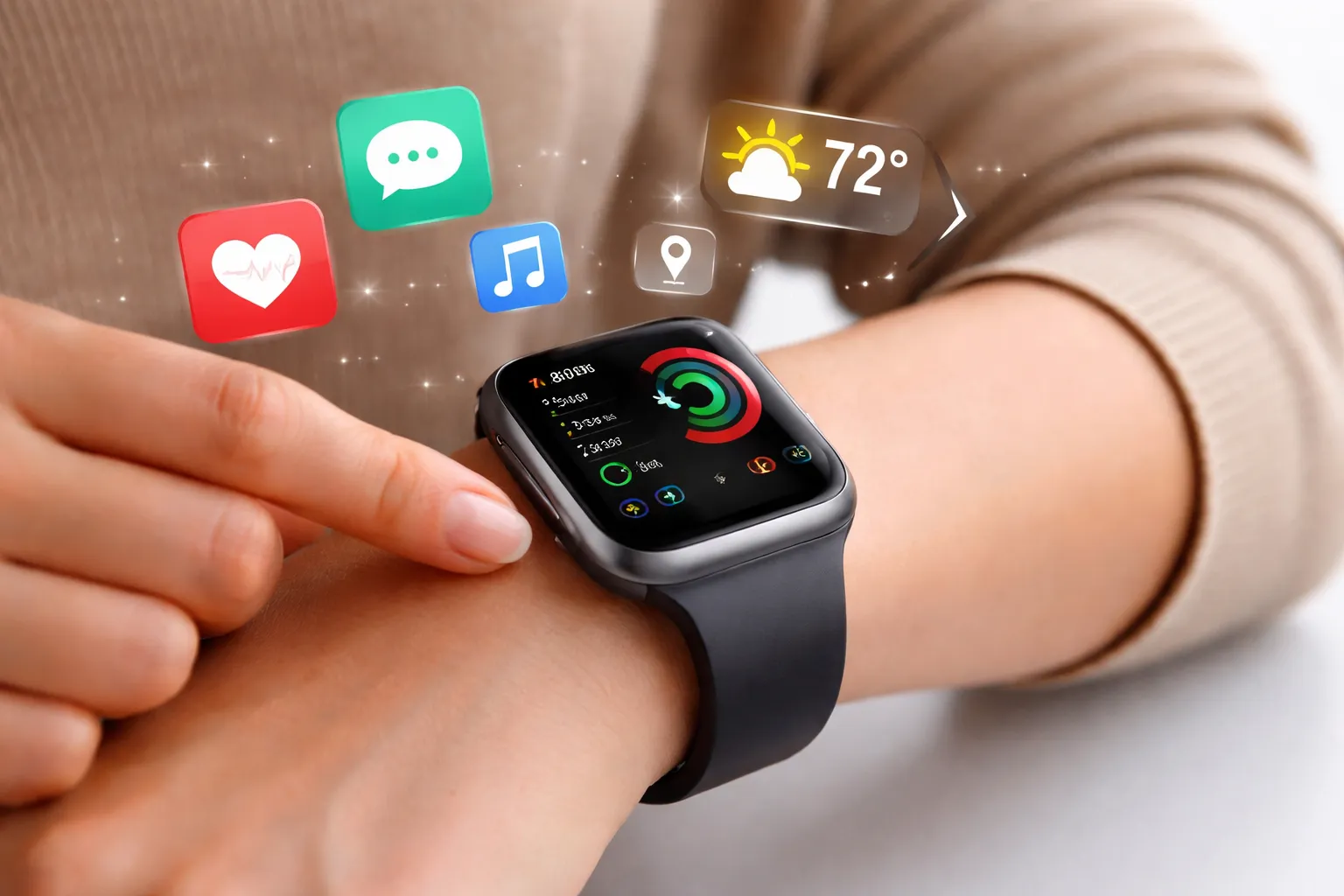
What does a smartwatch do? A smartwatch extends your smartphone’s core features directly to your wrist, allowing you to check notifications, track fitness, monitor health metrics, and manage calls or messages without constantly reaching for your phone. In simple terms, it combines a timepiece with a mini wearable computer designed for convenience and awareness.
A modern smart watch description usually includes health tracking sensors, app connectivity, and customizable watch faces. But beyond the feature list, the real value is how seamlessly it fits into daily life. Whether you’re working, exercising, commuting, or relaxing, it keeps essential information accessible in seconds.
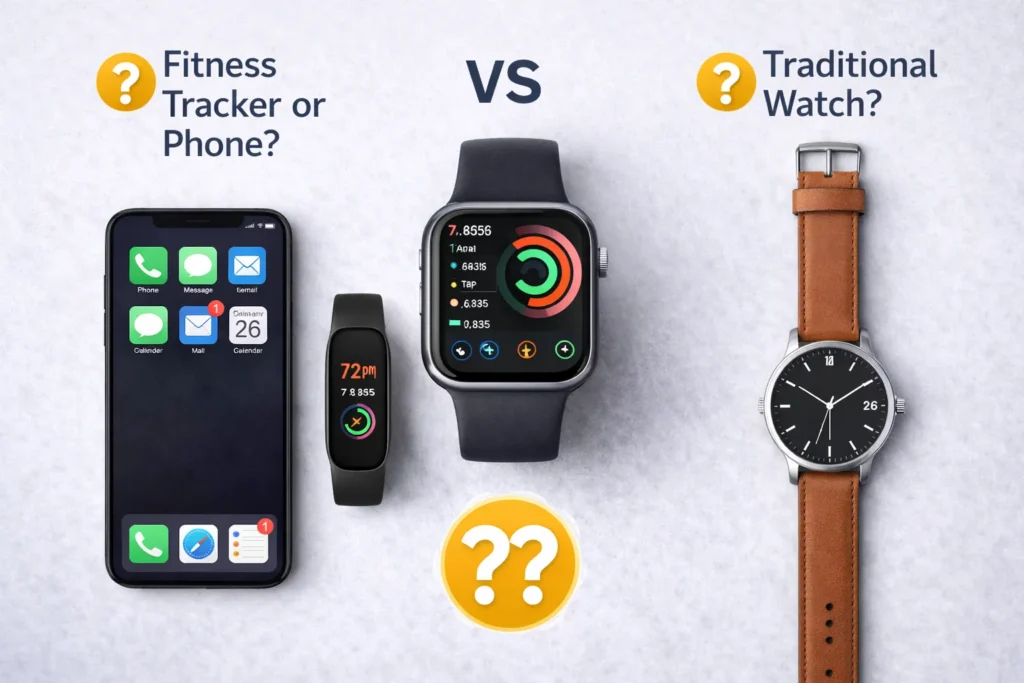
Many people see advertisements highlighting fitness stats, heart rate charts, or message alerts but still wonder what does a smartwatch do and what do smartwatches do in practical terms. The confusion often comes from overlapping features between phones, fitness trackers, and traditional watches. Some shoppers also hesitate because they’re unsure whether they’ll actually use all the features or if it’s just another gadget.
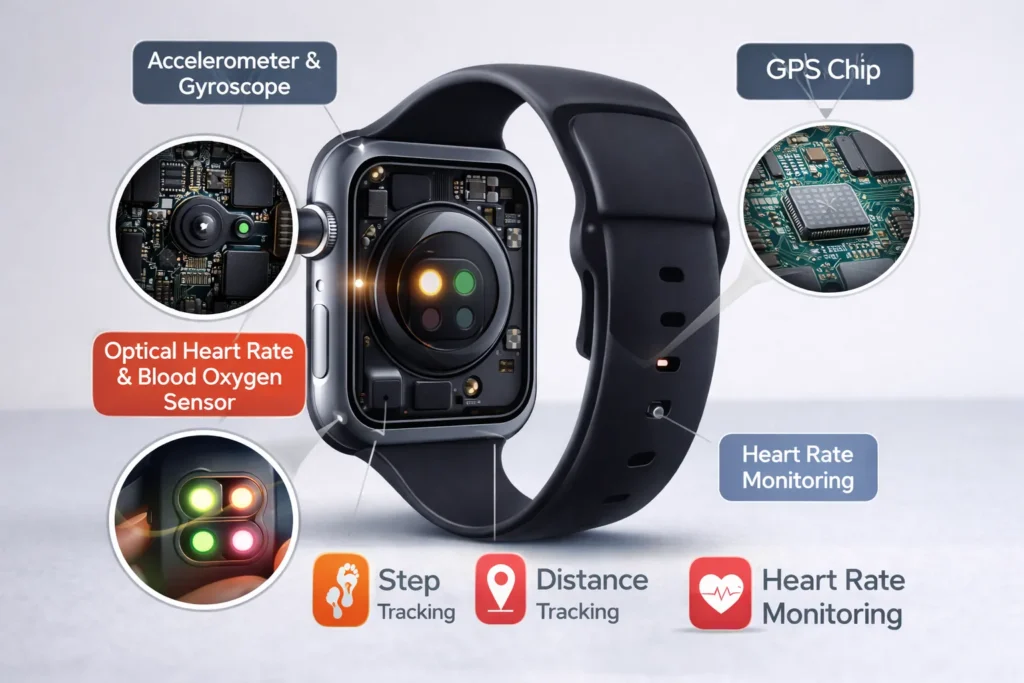
To better understand what does a smartwatch do, it’s important to know that smartwatches function through a combination of built-in sensors, wireless connectivity, and companion apps. Most models connect to your smartphone via Bluetooth, syncing calls, texts, emails, and app notifications. Internally, they use accelerometers and gyroscopes to track movement, optical sensors to measure heart rate, and GPS chips to monitor location and distance during workouts.
The software ecosystem is equally important when evaluating what does a smartwatch do on a daily basis. Watch operating systems allow you to install apps, customize watch faces, and manage data. Understanding how to use smart watch features typically involves pairing it with your phone, setting up health permissions, and adjusting notification preferences. Some advanced models also include cellular connectivity, enabling limited standalone use without a phone nearby.
Different users prioritize different smartwatch uses and smartwatches uses depending on what does a smartwatch do for their specific lifestyle. Someone focused on productivity may rely on notifications and scheduling, while an athlete may prioritize GPS accuracy and health metrics. Choosing the right model depends on how you plan to integrate it into your lifestyle.
Before purchasing, consider compatibility with your smartphone, battery life, display size, and comfort to fully understand what does a smartwatch do for your needs. Some users prefer a smart watch with cellular capability for independence from their phone. Others may compare blood pressure watches or ask are smart watches worth it for their specific needs.
Also evaluate subscription costs, smartwatch plans, app ecosystems, and what to do with smartwatch features once it’s set up. The best option depends on whether you want simple notifications or a full-featured wearable computer.
Major technology manufacturers describe smartwatches as wearable extensions of smartphones designed to provide communication, fitness tracking, and app functionality in a compact form factor. Official documentation emphasizes health awareness features, customizable interfaces, and ecosystem integration. For official documentation and background, see: Samsung Smartwatches.
Some models can perform limited tasks independently, especially those with cellular connectivity. You may be able to make calls, stream music, or use GPS without carrying your phone. However, most smartwatches still rely on a paired smartphone for full functionality and app syncing.
Common uses include tracking steps, monitoring heart rate, receiving notifications, setting reminders, and managing workouts. Many users also use them for sleep tracking and quick message previews throughout the day.
They can be worth it if you value convenience, fitness tracking, and quick access to notifications. However, if you rarely check health data or notifications, you may not use enough features to justify the cost.
Setup typically involves downloading a companion app, pairing via Bluetooth, granting permissions, and customizing notifications. Once configured, daily use becomes intuitive, with swipe and tap gestures controlling most functions.
Expert buying advice, practical recommendations, and smart product picks — delivered straight to your inbox daily.
By signing up, you agree to the terms of service and privacy.
Does a smartwatch need a data plan? In most cases, no. Bluetooth models connect directly to your smartphone and use your phone’s existing data connection, while cellular-enabled smartwatches require a
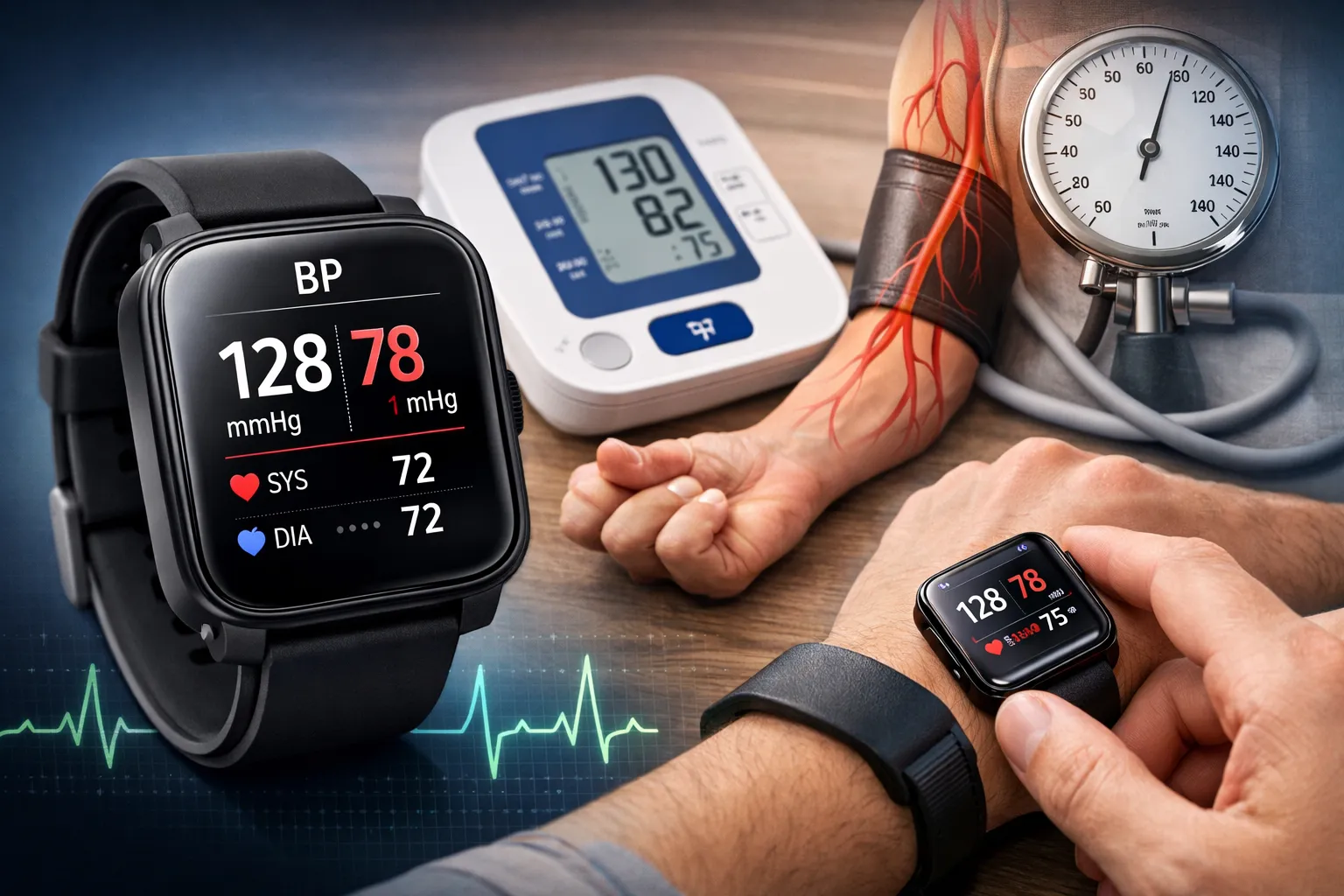
Yes, a smartwatch can measure blood pressure — but with important limitations. Some modern wearable devices use optical sensors and algorithms to estimate readings from your wrist. However, they do
What does a smartwatch do? A smartwatch extends your smartphone’s core features directly to your wrist, allowing you to check notifications, track fitness, monitor health metrics, and manage calls or
Get notified about new articles