

Best Android Smartwatch: 6 Picks
Your phone decides more than any spec. Here are six Android watches — Pixel, Galaxy, OnePlus and Garmin — matched to the buyer each one actually suits.
We independently review everything we recommend. We may earn a commission when you buy through our links.
Learn more ›
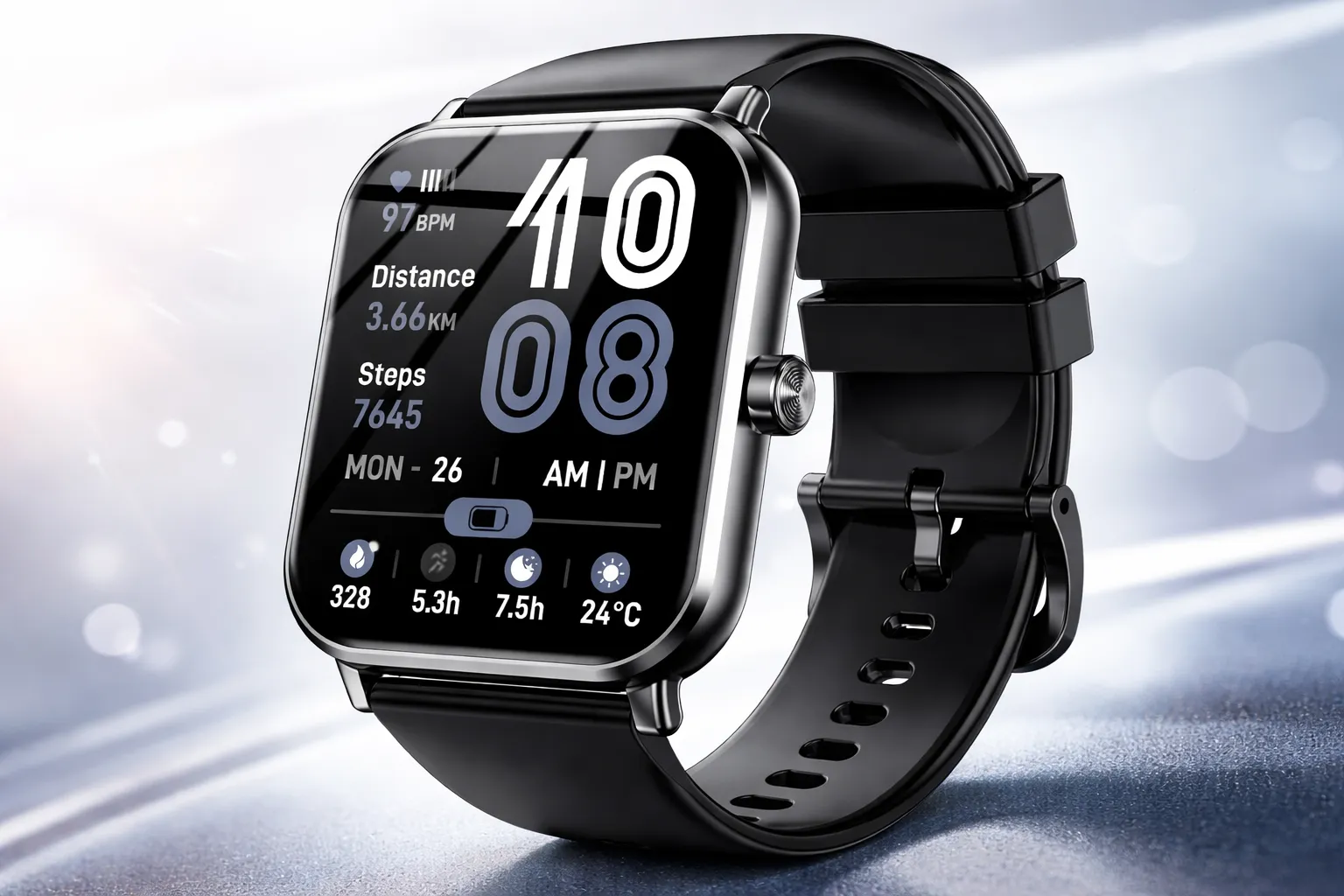
Smartwatches are useful, but it makes sense to ask: is wearing a smartwatch bad for your health? These devices sit on your wrist for hours, track your heart rate, monitor sleep, send notifications, and connect through Bluetooth, Wi-Fi, or cellular signals.
For most people, smartwatches are not considered harmful when used normally. The bigger concerns are usually skin irritation, poor sleep habits, anxiety from constant health tracking, and accuracy limits — not dangerous radiation.
If you are new to wearable technology, start with our guide on what a smartwatch does.
For most healthy adults, smartwatches are generally safe. They use low-power wireless signals, non-invasive optical sensors, and consumer safety standards. The main issue is how you wear and use the device.
The Fitbit Inspire 3 is a strong fit for people who want health tracking without wearing a bulky smartwatch. It is slim, lightweight, and built around everyday wellness metrics instead of trying to feel like a full phone on your wrist.
It tracks heart rate, sleep, stress, activity, and workout intensity, which makes it useful for people who want simple health insights throughout the day and night. Because it is smaller than many smartwatches, it may also feel more comfortable for sleep tracking.
The main limitation is that it is more of a fitness tracker than a full smartwatch. If you want a large screen, app support, GPS maps, or advanced smartwatch features, this may feel too basic. But for users focused on comfort and daily health trends, it makes sense.

Radiation is usually the first concern people have, but not all radiation is the same. Smartwatches use non-ionizing radiofrequency energy. This is different from ionizing radiation, such as X-rays, which can damage DNA at high enough levels.
Bluetooth and Wi-Fi signals are low-power wireless signals. Some smartwatches also use Wi-Fi for syncing, updates, and app features. Cellular models may transmit more often because they connect directly to a mobile network, but they still must meet wireless safety standards.
The Federal Communications Commission explains that wireless devices sold in the United States must comply with radiofrequency exposure limits. The CDC also has information on wearable technology and radiation.
For most users, smartwatch radiation exposure is not the main health concern. Comfort, sleep quality, and how you interpret health data matter more.
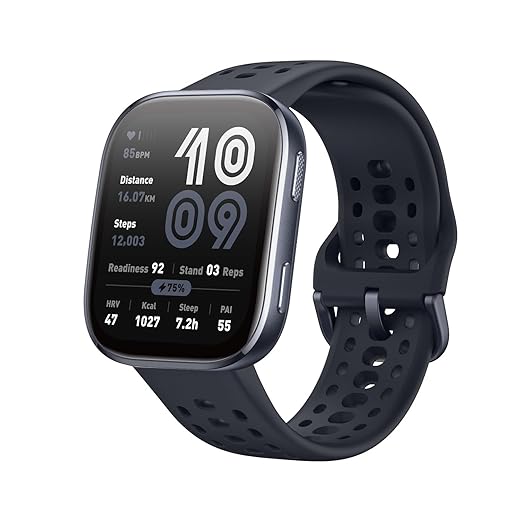
This budget smartwatch is a practical option for users who want basic fitness and health tracking without paying flagship prices. It includes heart rate monitoring, sleep tracking, activity tracking, Bluetooth calling, sports modes, and water resistance.
This type of smartwatch works best for casual users who want reminders, notifications, step tracking, and simple wellness data. It gives you the main benefits of wearable tech without needing a premium Apple Watch, Garmin, or Fitbit model.
The tradeoff is accuracy and polish. Budget watches may not be as consistent as premium devices for advanced health metrics. They are better for general wellness tracking than serious medical-style monitoring.

Most smartwatch sensors are non-invasive. They do not pierce the skin or send harmful energy through your body. Heart rate tracking usually works through photoplethysmography, also called PPG. This uses small LED lights to estimate changes in blood flow at the wrist.
The bigger issue is not danger — it is accuracy. A smartwatch can help you spot patterns, but it should not replace professional medical testing.
For example, some users ask whether a smartwatch can measure blood pressure. Some devices estimate readings, but most wrist wearables are not replacements for a validated blood pressure monitor.
For most people, it is not bad to wear a smartwatch while sleeping. Sleep tracking can help you notice patterns in bedtime, wake time, resting heart rate, and recovery. The problem is when the watch disrupts sleep.
Use sleep mode, turn off unnecessary alerts, and loosen the band slightly. If the watch makes your sleep worse, take it off at night.
The Amazfit Bip 6 is a better fit for users who want a larger display, longer battery life, and more smartwatch-style features. It includes heart rate tracking, sleep analysis, blood oxygen monitoring, GPS activity tracking, workout modes, and water resistance.
This option makes sense if you want a more visual smartwatch experience without charging every day. It is also useful for walking, workouts, outdoor activity, and general wellness tracking.
The main thing to remember is that even feature-rich smartwatches should still be treated as wellness tools. Use the data to understand trends, not to diagnose yourself.
Here is a quick breakdown of the most common smartwatch health concerns, how serious they usually are, and what you can do to reduce the risk.
Bottom Line: For most people, smartwatch risks are manageable. The most realistic problems involve comfort, sleep, skin irritation, and how health data is used.
Skin irritation is one of the most realistic smartwatch problems. Sweat, soap, dirt, lotion, and moisture can get trapped under the band. A tight band can also create friction and pressure marks. Signs of irritation may include redness, itching, dry patches, burning, rash, or tender skin.
If irritation continues, stop wearing the watch and consider changing the band material.
Most people do not need to worry about this. But people with pacemakers, defibrillators, or implanted medical devices should be more careful.
Some smartwatches contain magnets. Magnets may interfere with certain implanted devices if held too close. That does not mean every smartwatch is dangerous, but it does mean medical-device users should follow physician and manufacturer guidance.
Do not rest a smartwatch directly over an implanted device. If you have a pacemaker or defibrillator, ask your doctor what distance is safest.
Smartwatches can improve health awareness, but they can also make some people anxious. Constantly checking heart rate, sleep score, stress score, blood oxygen, calories, and recovery data can make normal body changes feel alarming. A smartwatch should guide your habits, not make you feel monitored all day.
For most people, smartwatches are not bad for health. They can actually support better habits by making activity, sleep, and heart-rate trends easier to see.
If you are deciding whether the benefits are worth it, read our full guide on whether a smartwatch is worth it.
If you use Android, compare options in our guide to the best smartwatch for Android. If you are choosing between fitness platforms, see our Garmin vs Fitbit comparison.
For most people, no — wearing a smartwatch is not bad for your health when used responsibly. The radiation exposure is low, the sensors are non-invasive, and the most realistic risks involve skin irritation, sleep disruption, anxiety, or overreliance on health data.
Used properly, a smartwatch can be a helpful wellness tool. Keep it clean, wear it comfortably, manage notifications, and treat the data as guidance — not a medical diagnosis.
Smartwatches use low-power wireless signals, and for most people, normal smartwatch use is not considered a major radiation concern. If you are worried about exposure, you can reduce it by turning off cellular, Wi-Fi, or Bluetooth when you do not need them, or by taking the watch off at night.
Wearing a smartwatch all day is usually fine, but it is smart to give your wrist breaks. Sweat, tight bands, and trapped moisture can cause irritation, so clean the watch regularly, avoid wearing it too tight, and remove it if your skin feels itchy or sore.
The most common downsides are skin irritation, distraction from constant alerts, battery charging, privacy concerns, and stress from checking health numbers too often. Smartwatch data can be useful, but it should be treated as a general wellness guide, not a perfect medical reading.
Some doctors may see value in smartwatch features like heart rate tracking, ECG alerts, or irregular rhythm notifications, especially when they encourage someone to seek care sooner. However, a smartwatch should not replace medical testing, professional advice, or a proper diagnosis from a healthcare provider.
Expert buying advice, practical recommendations, and smart product picks — delivered straight to your inbox daily.
By signing up, you agree to the terms of service and privacy.

Get notified about new articles