Does a Smartwatch Need a Data Plan? (2026 Guide)
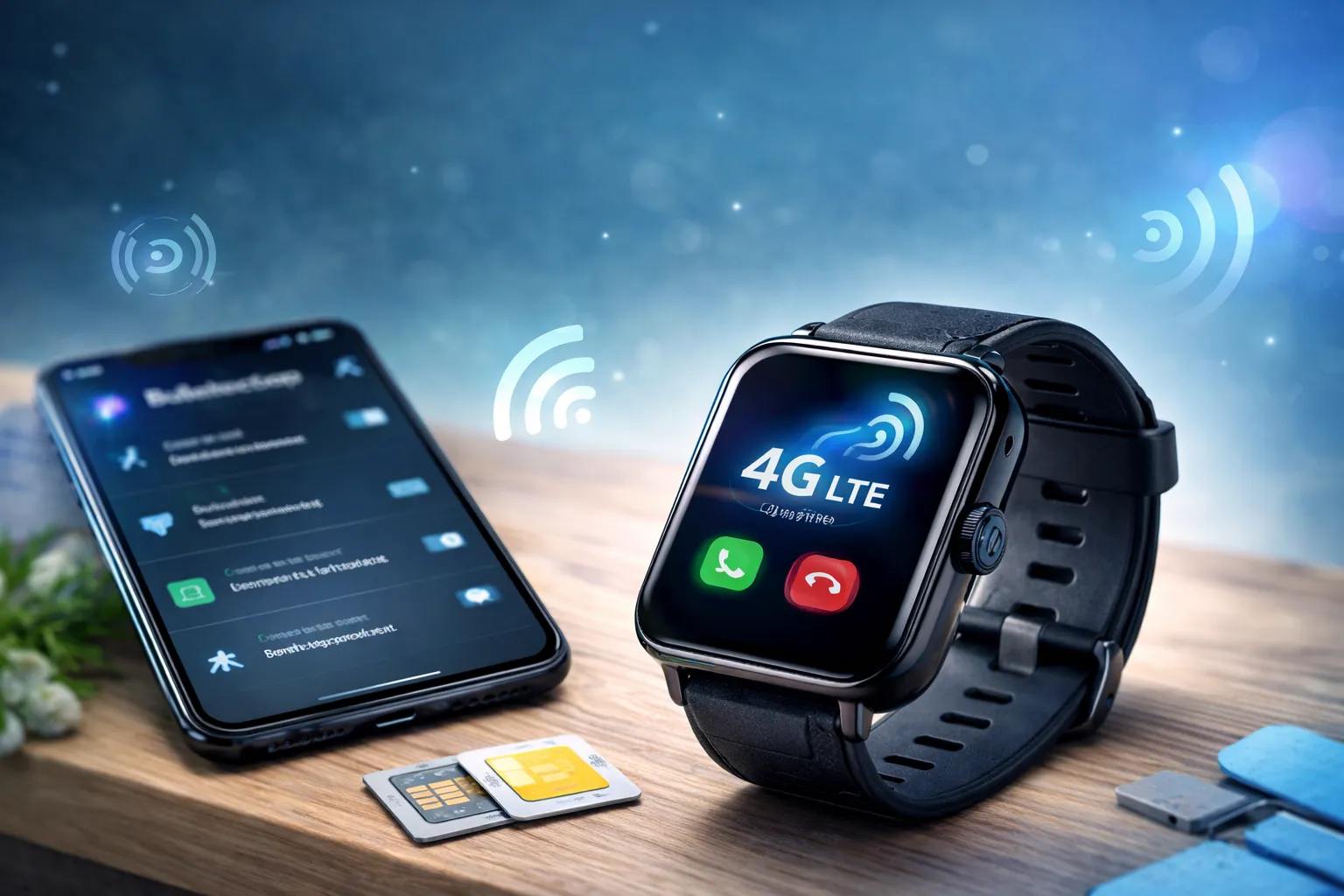
Does a smartwatch need a data plan? In most cases, no. Bluetooth models connect directly to your smartphone and use your phone’s existing data connection, while cellular-enabled smartwatches require a
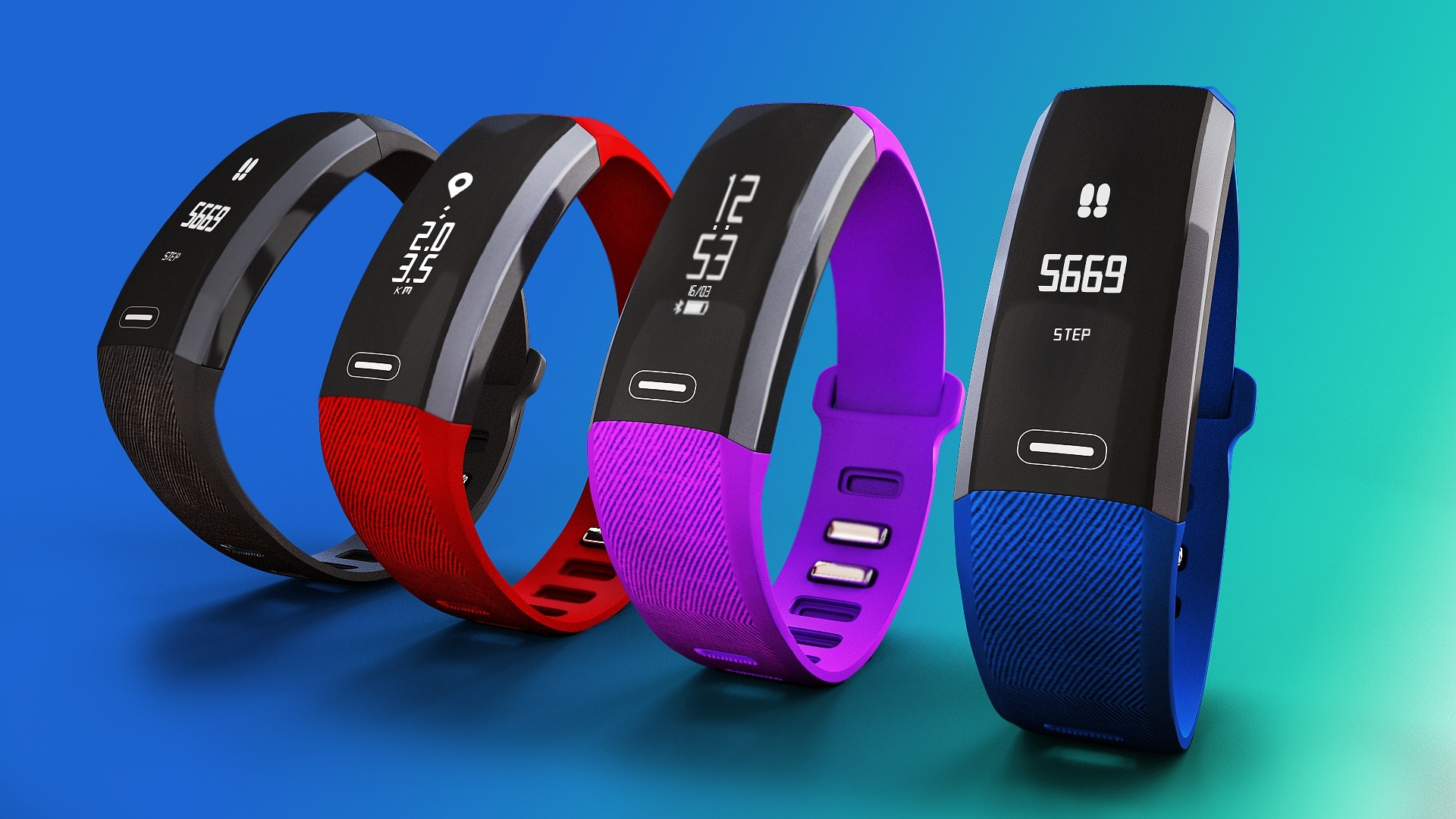
Wearing a fitbit and a watch together has become increasingly common as people look for ways to track their health without giving up personal style.
Whether paired with a traditional analog watch or worn alongside a smartwatch, the right Fitbit setup — including well-fitted fitbit watch bands — can offer both comfort and function throughout the day.
Wearing a Fitbit and a watch together allows users to track health metrics without giving up the look and feel of a traditional timepiece.
This guide is for anyone who wants fitness tracking without replacing their favorite watch. It’s especially helpful for readers trying to balance health features, wrist comfort, and everyday style without overcrowding their wrist.
This approach has made fitbit and a watch setups increasingly popular among users who want both fitness tracking and everyday style.
Below, we break down the Fitbit models that work best when wearing a fitbit and a watch, focusing on comfort, design balance, and real-world wearability — especially for readers also comparing style-focused options like smartwatches for ladies.
• Best Overall: Fitbit Charge 6
• Best Value: Fitbit Inspire 3
• Best Premium: Fitbit Sense 2
• Best Modest Use: Fitbit Versa 4
• Best Active Use: Fitbit Luxe
To create this guide, we evaluated each product based on comfort, design balance, usability, and how well it supports wearing a fitbit and a watch together.
The Fitbit Charge 6 is built for users who want full health tracking while still wearing a traditional watch as part of a fitbit and a watch setup.
It offers advanced features like GPS, heart rate monitoring, and health insights without fully replacing a watch.
When paired with the right band, it remains comfortable for all-day wear.
Its larger display may feel noticeable for users who prefer ultra-slim trackers.
It earns the Best Overall spot for balancing features, comfort, and versatility better than any other option.
Why we like it: Strong everyday tracking, accurate heart-rate reads, and a comfortable fit that doesn’t feel bulky.
The Fitbit Inspire 3 is designed for users who want lightweight tracking with minimal wrist presence.
Its slim build makes it easy to pair with traditional watches without visual clutter, particularly when using fitbit inspire 3 bands.
It stays comfortable for continuous wear, including sleep and daily activity.
The smaller screen limits how much data can be viewed at a glance.
It earns Best Value by offering simplicity, comfort, and flexibility for everyday use.
Why we like it: Slim and lightweight, easy to wear alongside a traditional watch, and still covers the tracking essentials.
The Fitbit Sense 2 is suited for users who want advanced wellness insights alongside a classic watch.
It focuses on stress management, heart health tools, and sleep tracking.
The design works well when worn on the opposite wrist from a traditional watch.
Its larger case may feel bulky for users who prefer subtle wearables.
It earns the Best Premium position for users who prioritize deeper health data.
Why we like it: More advanced health insights, a clearer smartwatch-style experience, and solid all-day comfort once fitted right.
The Fitbit Versa 4 is ideal for users who want smartwatch-style features without abandoning traditional wristwear.
It provides activity tracking and daily insights in a familiar watch format.
It works best when worn opposite a traditional watch for comfort and balance.
Wearing both on the same wrist can feel crowded for some users.
It earns Best Modest Use for users who want moderate tracking with a watch-like feel.
Why we like it: Simple smartwatch feel, easy-to-read screen, and a good balance for casual daily wear without going “too sporty.”
The Fitbit Luxe is designed for users who want discreet tracking during active days.
Its ultra-slim profile makes it easy to wear during workouts or long hours, especially with lightweight fitbit luxe bands.
It stays comfortable even when paired with another watch.
The smaller screen limits detailed interaction.
It earns Best Active Use for its lightweight feel and all-day comfort.
Why we like it: Ultra-slim for stacking with a watch, stylish band compatibility, and comfortable enough to keep on during daily movement.
Slim trackers reduce wrist crowding and improve long-term comfort when wearing a fitbit and a watch, especially with flexible fitbit charge 5 bands.
Band material plays a major role in breathability and skin comfort, especially when choosing fitbit watch bands for daily wear.
Neutral colors and low-profile designs pair better with traditional watches.
Simple band swaps make it easier to adapt your setup for different occasions.
Long-term comfort and versatility matter more than extra features.
They can be, especially for users who want health tracking without replacing their watch. Comfort and design are key.
Look for slim designs, lightweight materials, and neutral band styles.
Bulky cases, stiff bands, and overlapping positions can cause discomfort.
Most are designed for multi-year use with proper care and regular band replacement.
Choosing the right Fitbit to wear with a watch can feel overwhelming at first, especially with multiple styles and features available.
Some users will prefer a well-rounded option, while others may want something lightweight, premium, or fitness-focused.
The best choice comes down to comfort, daily habits, and how you plan to wear a fitbit and a watch together. For readers who also care about aesthetics and materials, pairing the right tracker with thoughtful finishes — like those covered in our guide to leather watch band styles — can improve long-term comfort and visual balance.
For readers who want to explore official models, bands, and compatibility details, you can browse the Fitbit Official Store for the full lineup and accessories.
Expert buying advice, practical recommendations, and smart product picks — delivered straight to your inbox daily.
By signing up, you agree to the terms of service and privacy.

Does a smartwatch need a data plan? In most cases, no. Bluetooth models connect directly to your smartphone and use your phone’s existing data connection, while cellular-enabled smartwatches require a

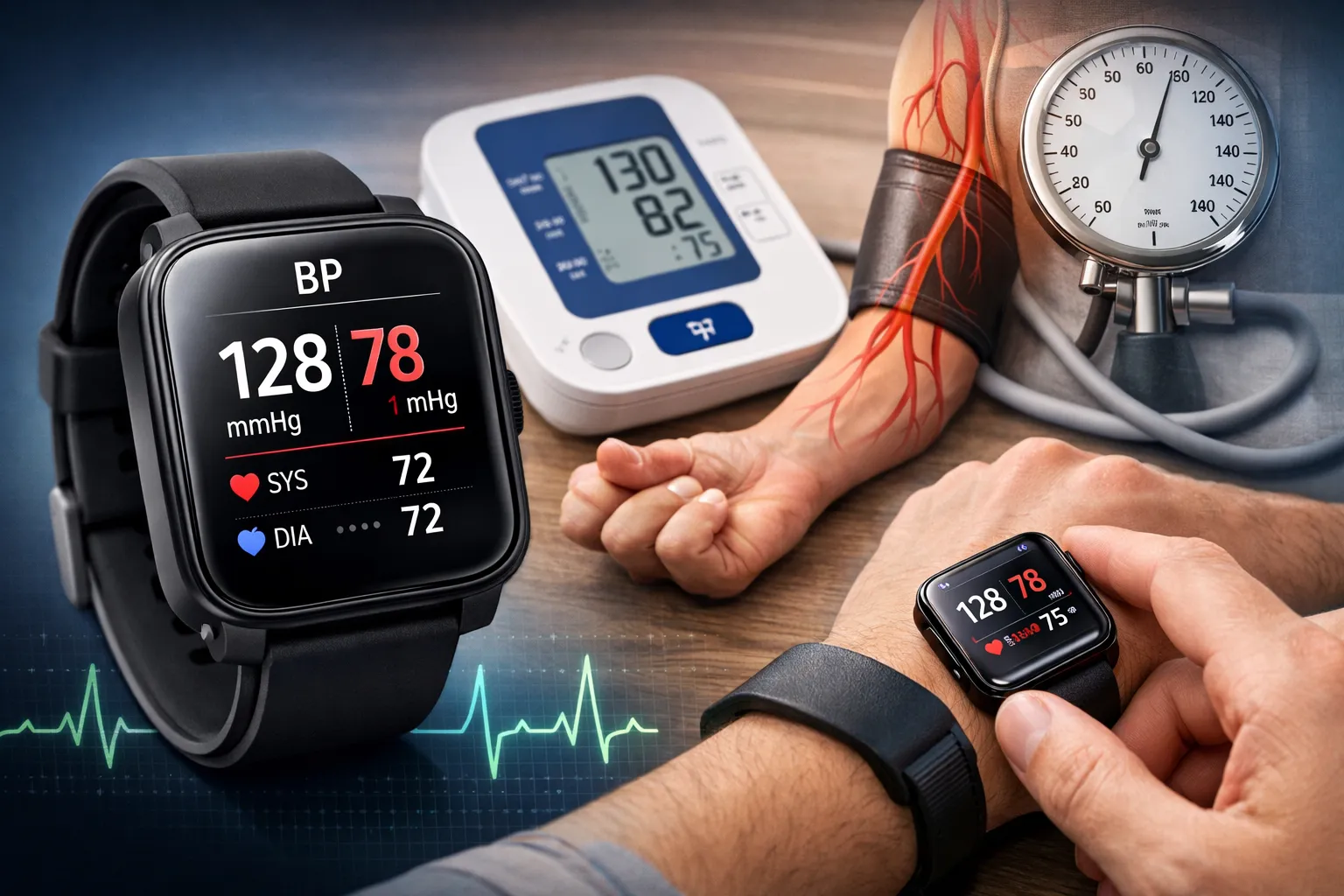
Yes, a smartwatch can measure blood pressure — but with important limitations. Some modern wearable devices use optical sensors and algorithms to estimate readings from your wrist. However, they do
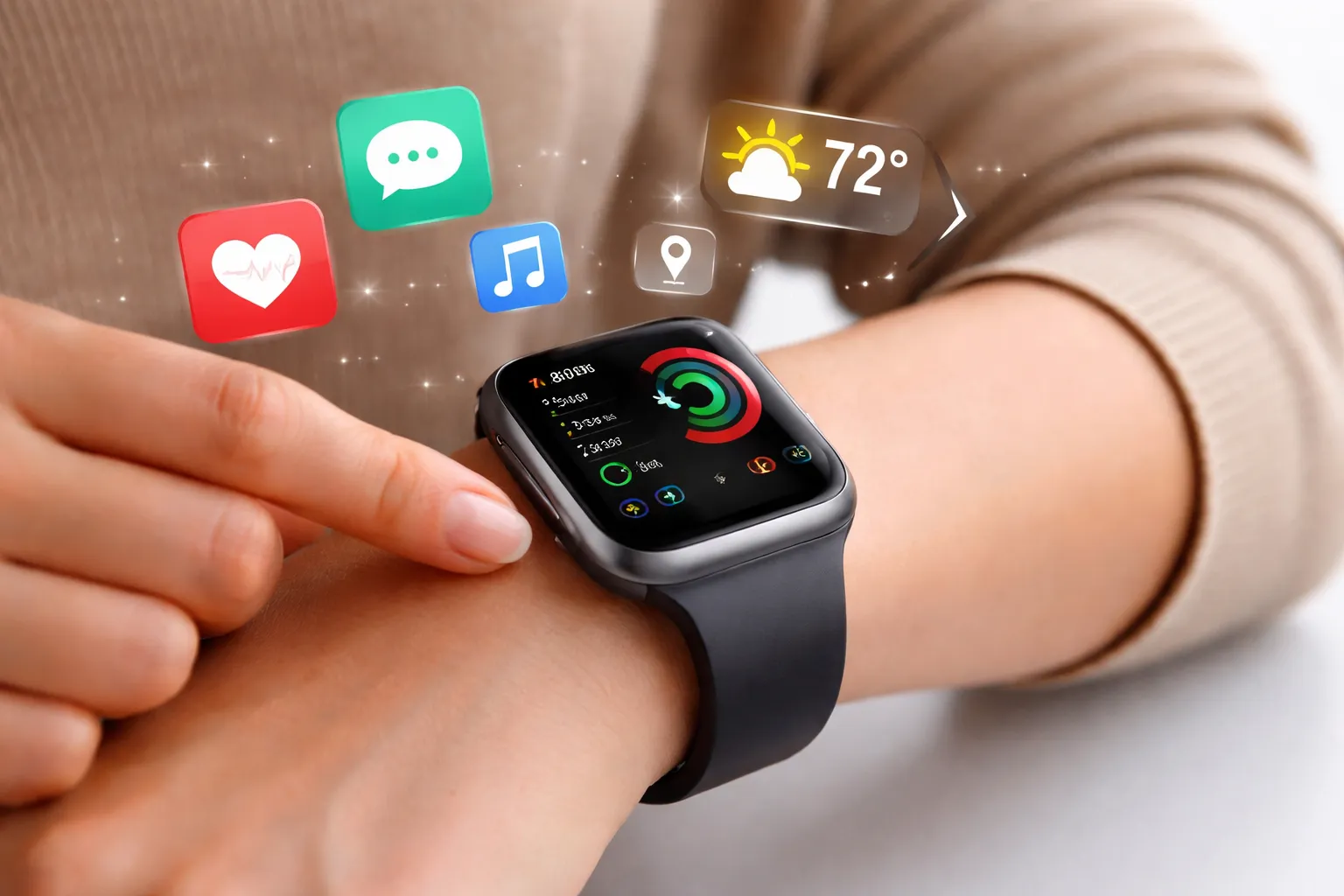
What does a smartwatch do? A smartwatch extends your smartphone’s core features directly to your wrist, allowing you to check notifications, track fitness, monitor health metrics, and manage calls or
Get notified about new articles